Experimental Scent in Finland

by | Dec 15, 2025

A Visit to the Turku Museum Center in Finland

In 2024, I traveled to Turku, Finland for the Erasmus+ program. This program allowed the Turku Museum Center to invite an expert that could exchange ideas about multisensory storytelling techniques. I spent three full days with the team in Turku, exploring 6 museums and speaking with over 30 different museum practitioners.

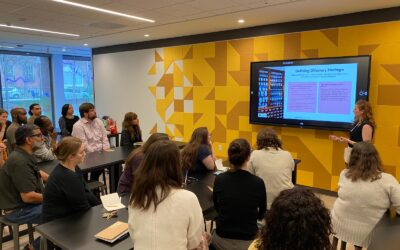
I kicked off the week by facilitating a three-hour, hands-on lecture. Through this, I provided the museum practitioners with opportunities to apply and engage their senses in real life. Here, discussion was key in order to better understand their concerns when using multisensory storytelling. For the rest of the week, different teams took me through their museums to talk about how they were already applying multisensory storytelling to their collections, but also to explain their plans for the future. The museums were diverse in topic from medieval times to the present day.
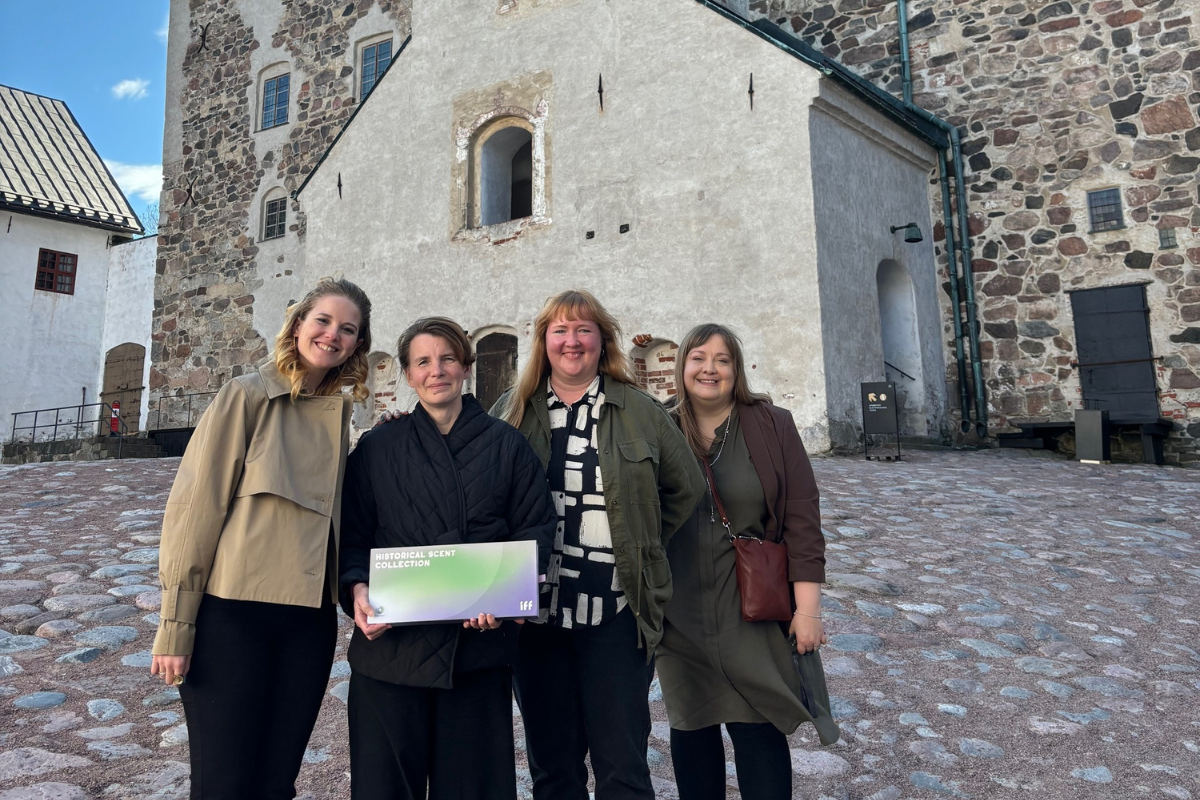
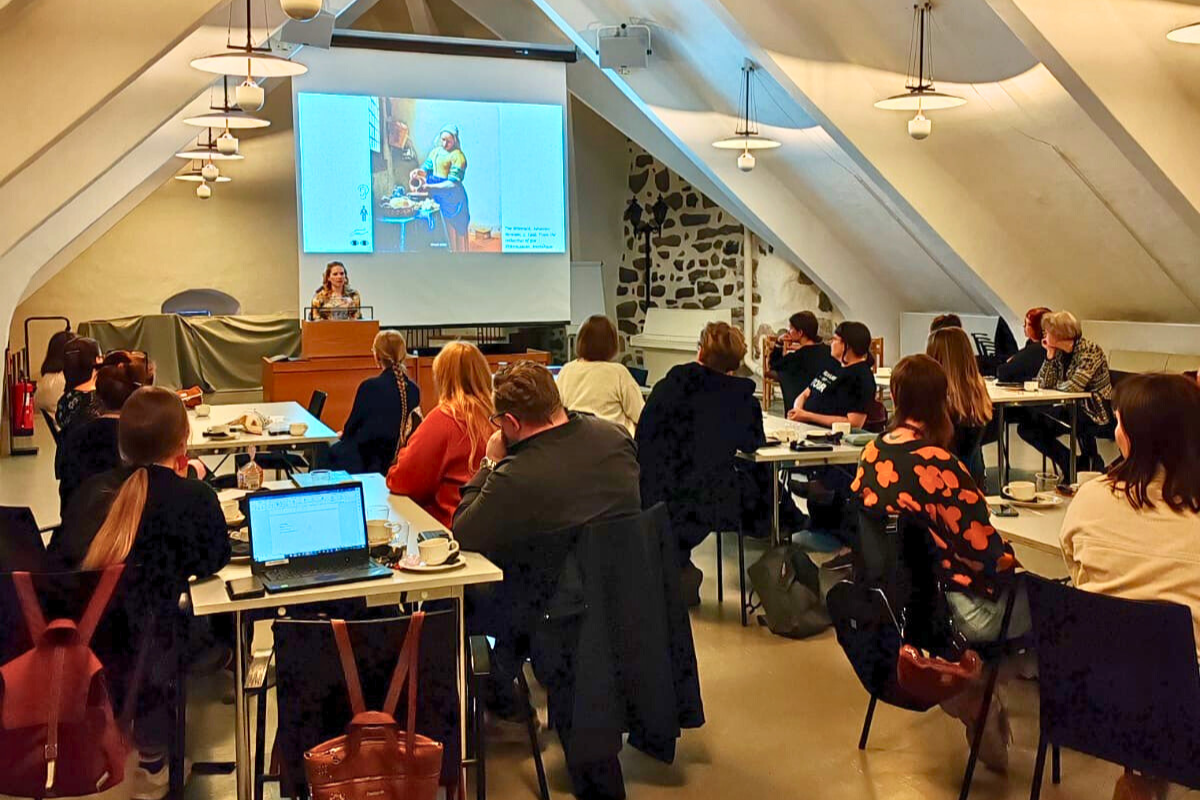
turku museum center in finland
turku museum hands-on lecture
Below I will outline some of the ways the Turku Museum is experimenting with multisensory engagement:

Experimental Scent Curation

Discussion around Olfactory Heritage and museums often comes down to one thought: museums are inherently occularcentric places. I still believe this to be true, but I was pleasantly surprised when the museums of Turku were quite the opposite. I was astounded by how the museums were already successfully applying multisensory storytelling – especially scent – to their collections as well as developing programming to increase accessibility and comprehension of sensory topics. Their effective and creative approach to experimental scent curation in particular made me realize that where there’s a will, there’s a way!

Example from the Pharmacy Museum and the Qwensel House:
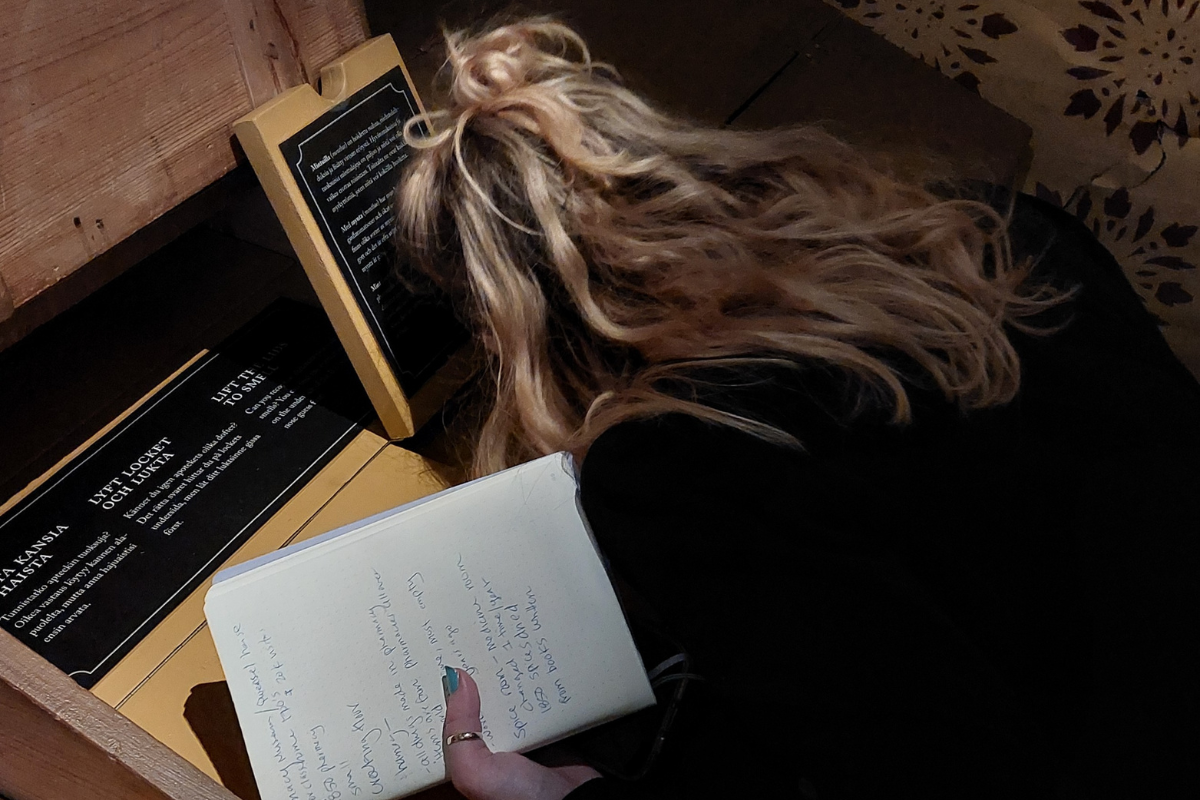
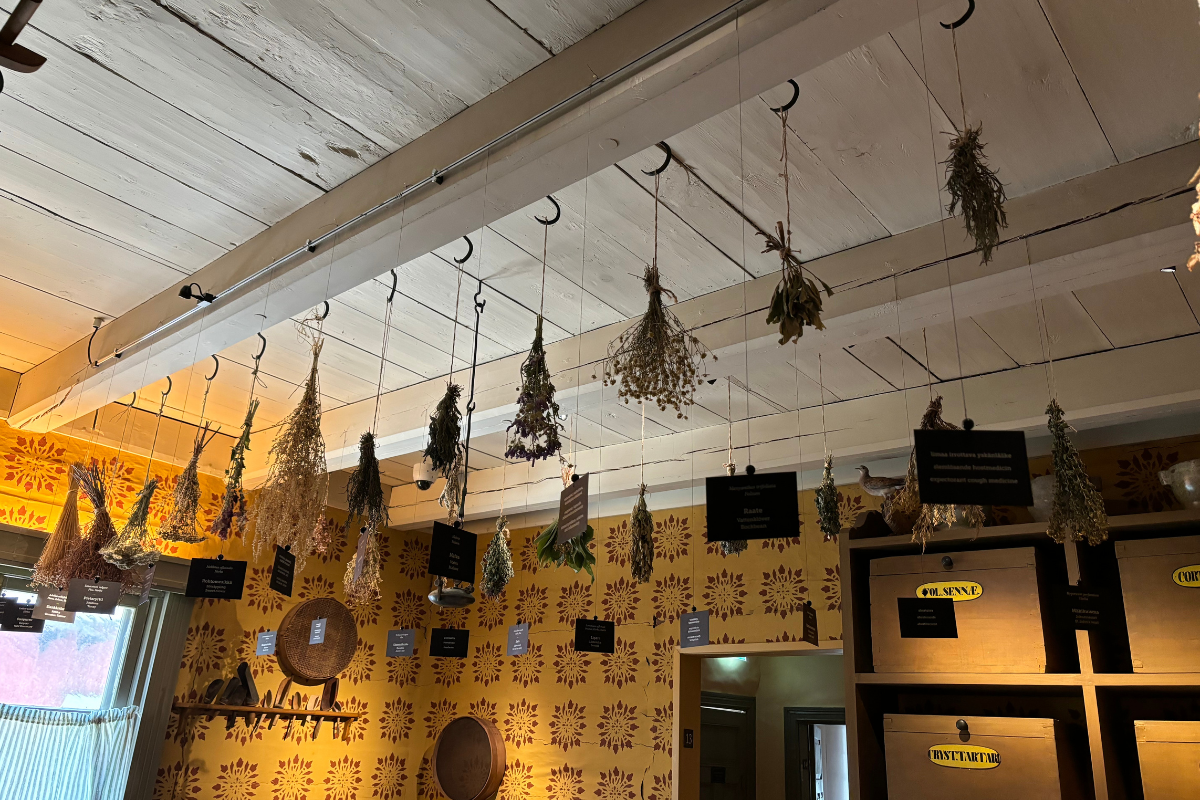
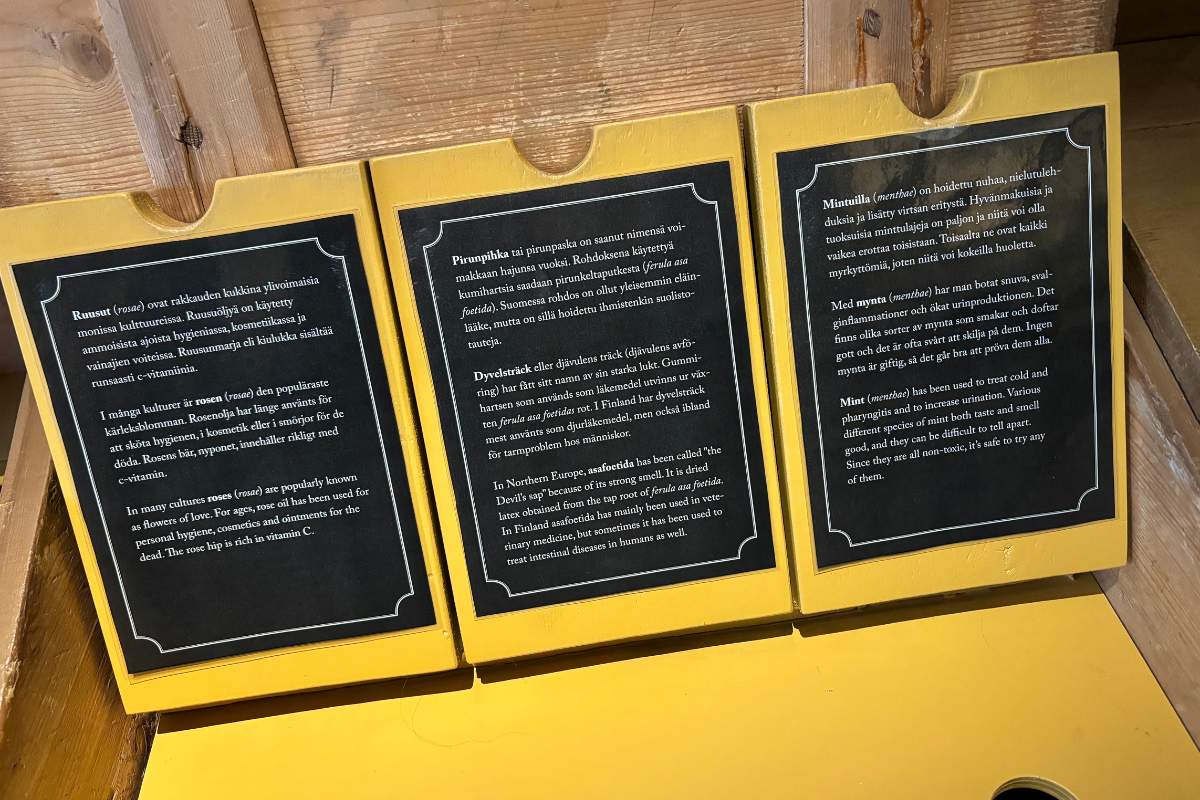
To educate the important role that herbs and spices play in Finland’s pharmaceutical history, the museum curators dedicated a room display to herbs and spices. Here visitors are welcomed into a pleasantly fragrant room where locally sourced, dried herbs hang from the ceiling. Small placards hung with each of the herb bunches, which had a text informing the cultural significance of the herb and its use.

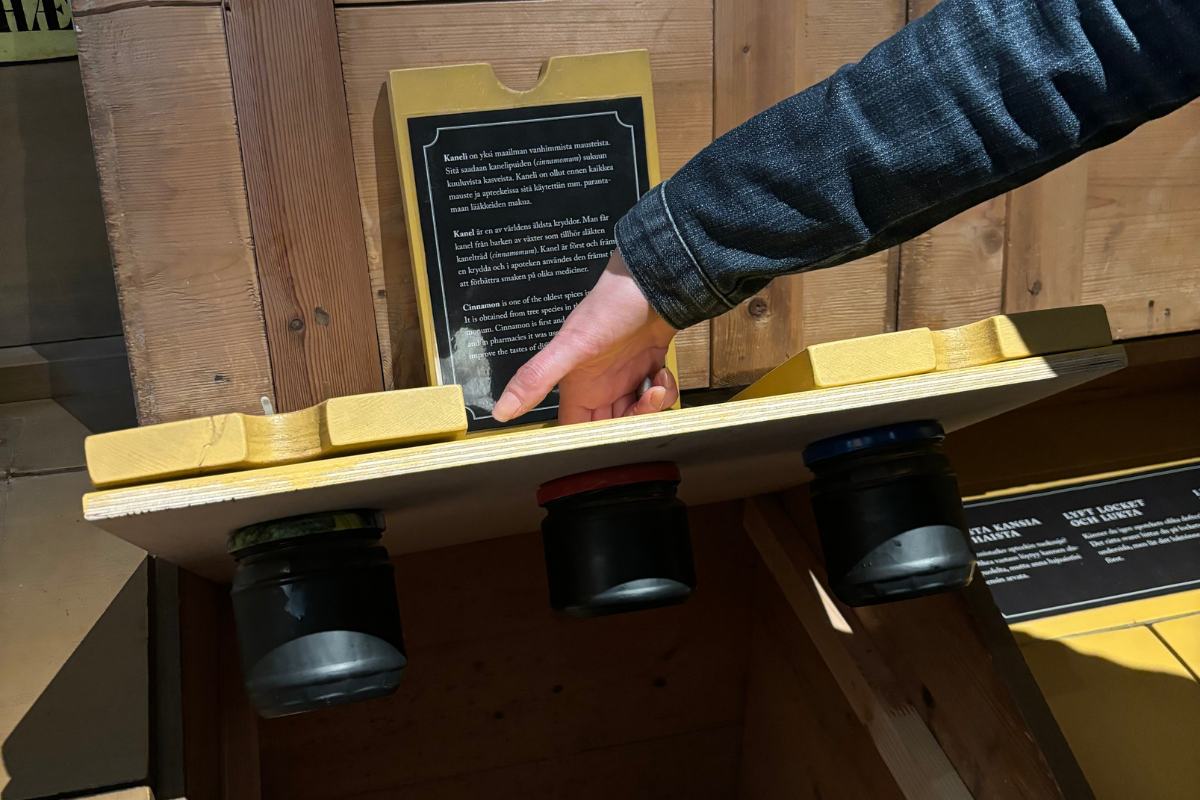
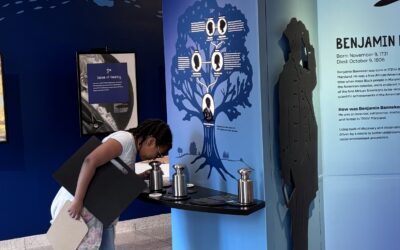
In the same room was a specially designed “scent station,” where visitors could sniff six different scents. The low fuss scent station was made of upcycled jam jars with a paper towel inside. Each towel was reapplied with essential oil as needed. Most importantly, this instance of olfactory storytelling supported worthwhile storytelling. The scents in this room were well grounded within the context of the museum’s themes and educational motives. Scents were adequately described via short and informative texts.

Example from Luostarinmäki 1827 Open Air Museum:
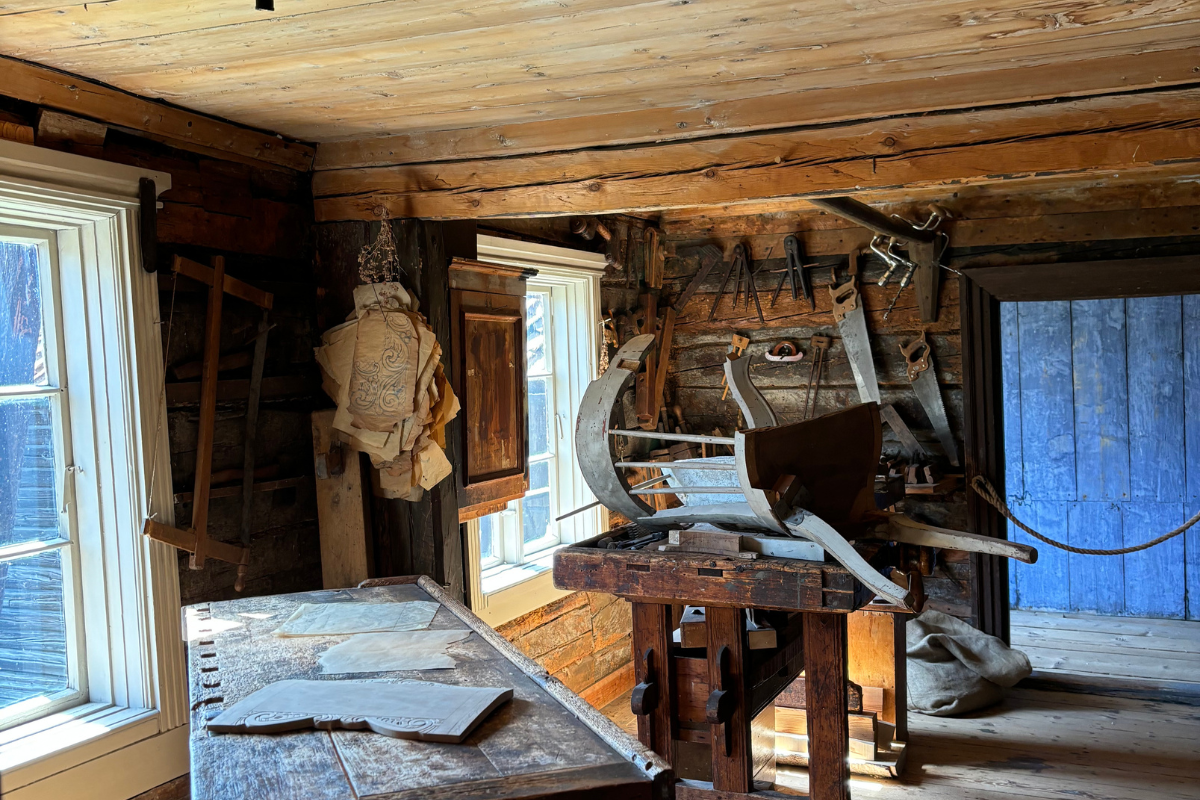
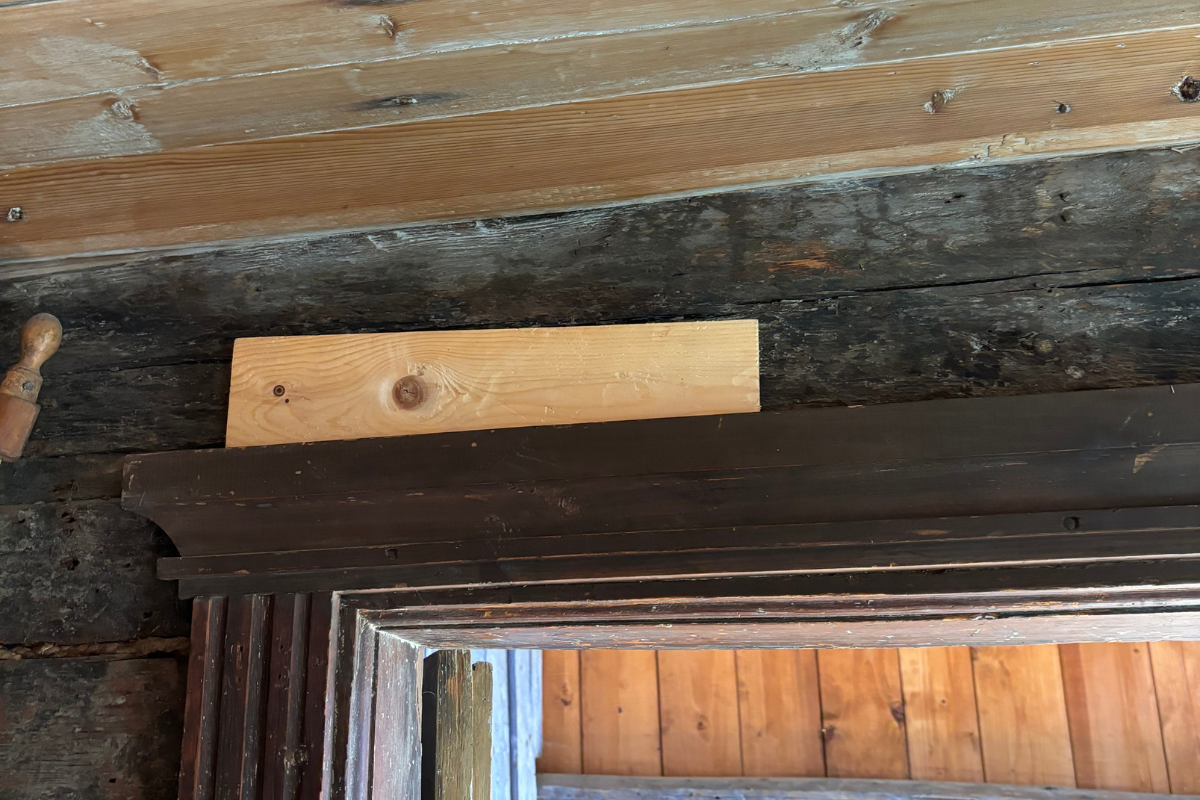
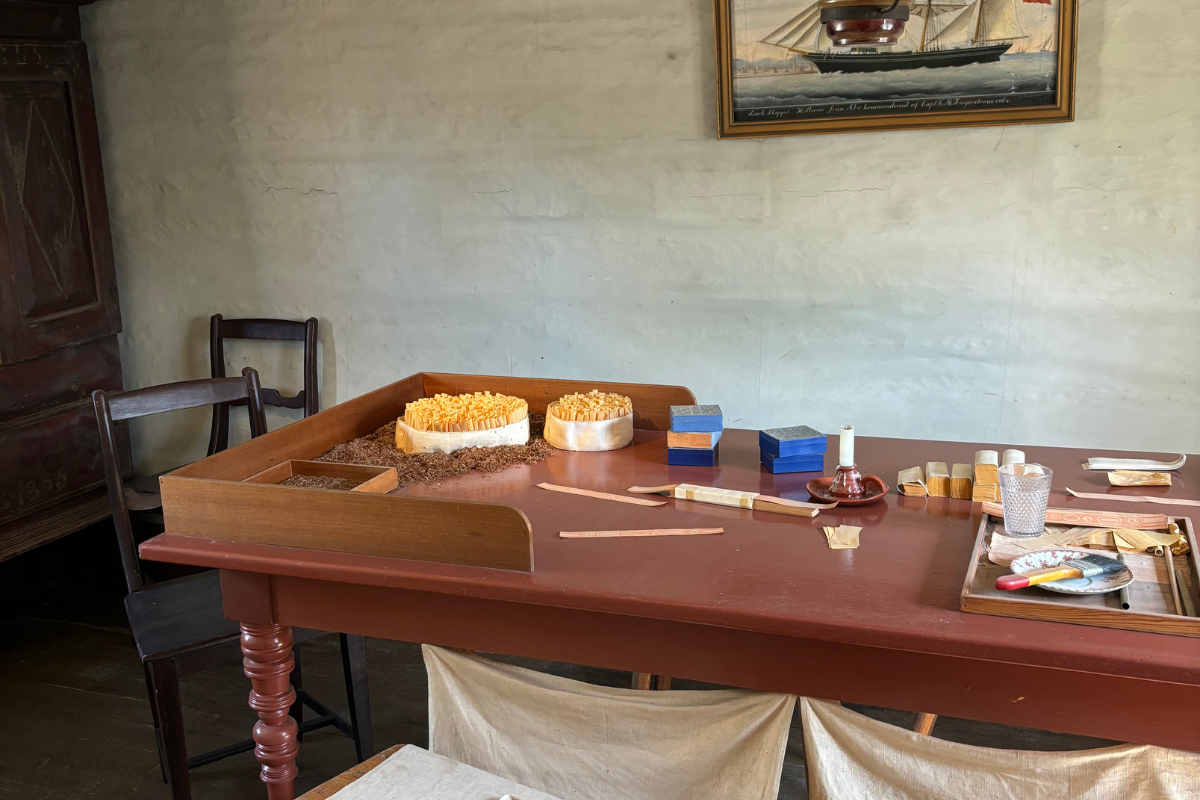
Luostarinmäki is an Open-Air Museum that authentically presents how life was in the area during the 1800s. Real life includes all the senses; therefore, the museum includes sounds and smells in various themed rooms. My favorites were the scented materials that the curators had cleverly hidden in the different rooms. For example, the piece of wood with turpentine that was discreetly tucked behind the entrance door. The faint scent off of the wood was just noticeable enough to highlight some of the aspects important to the craft of furniture making, which was the original purpose of this room.

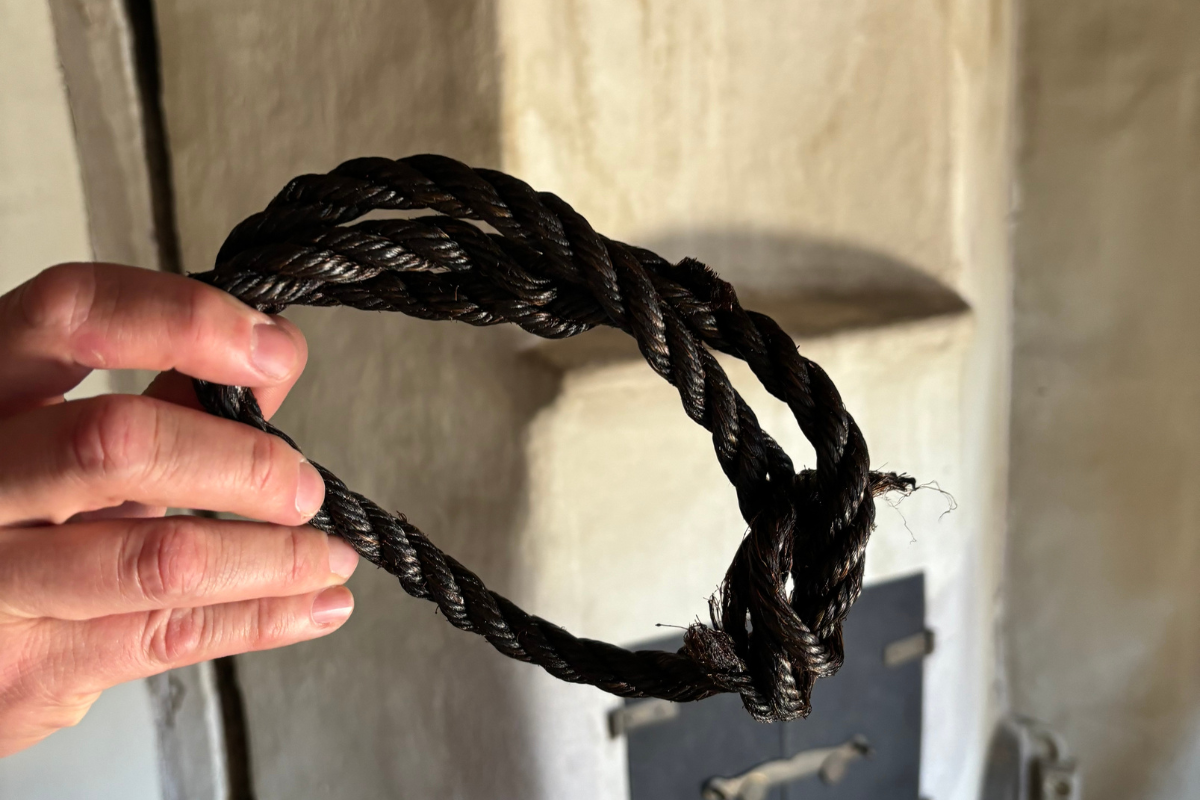
Another example was the tarred rope meant to represent Turku’s rich maritime history, which was hidden on the top of a cabinet in one of the galleries. Again, the significance of these scents and their connection to the themes and content of Luostarinmäki were directly highlighted in the descriptive texts that visitors could read in each room.

Hands-On Art
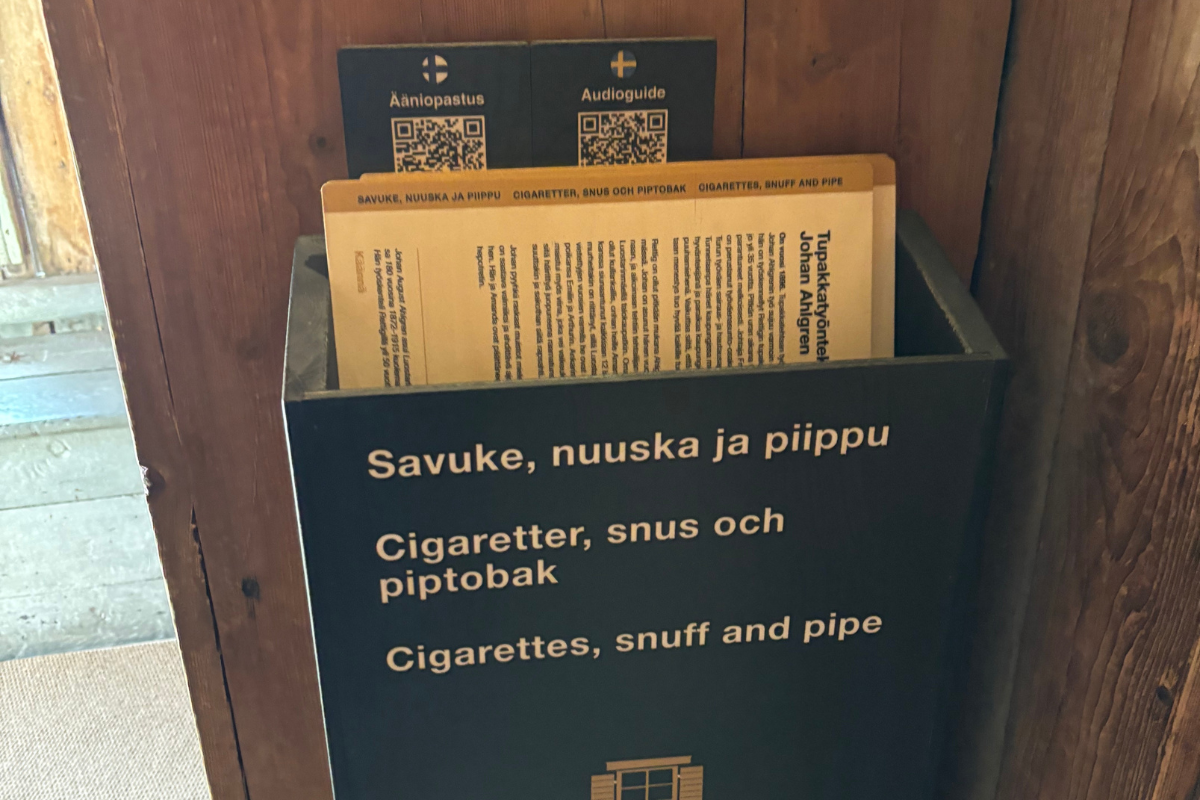
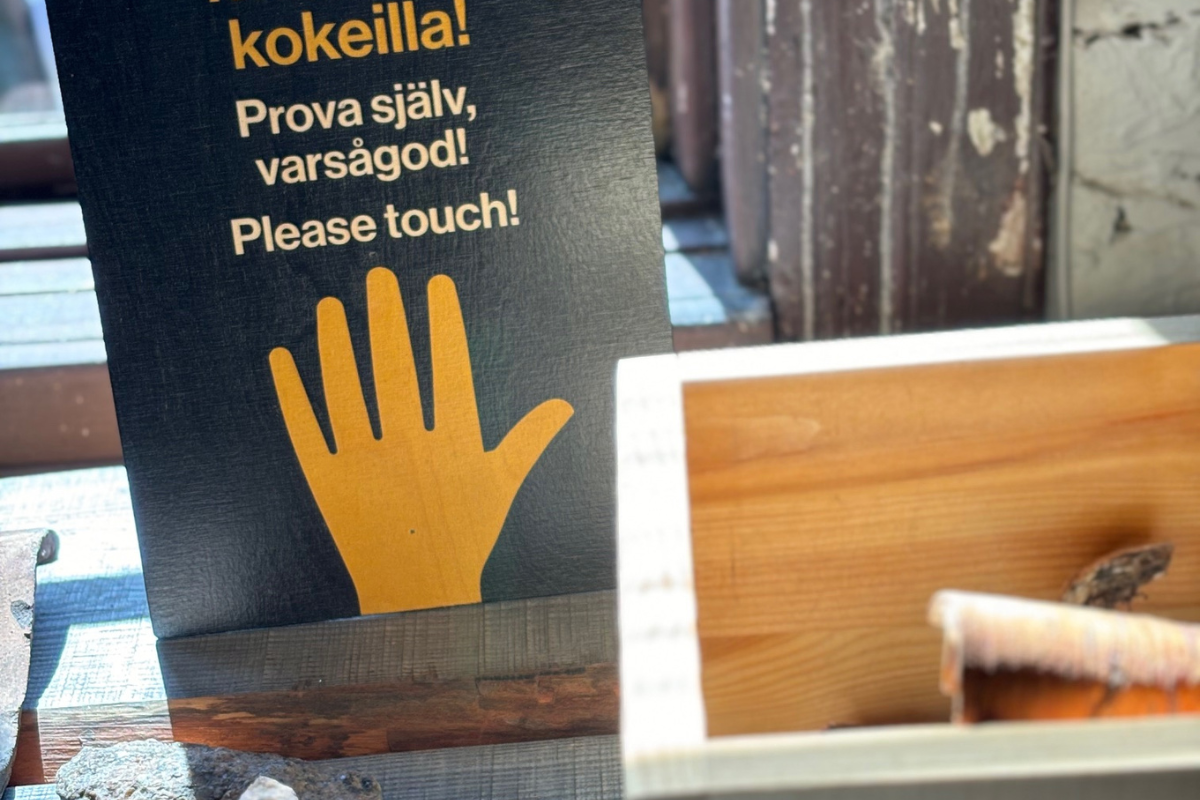
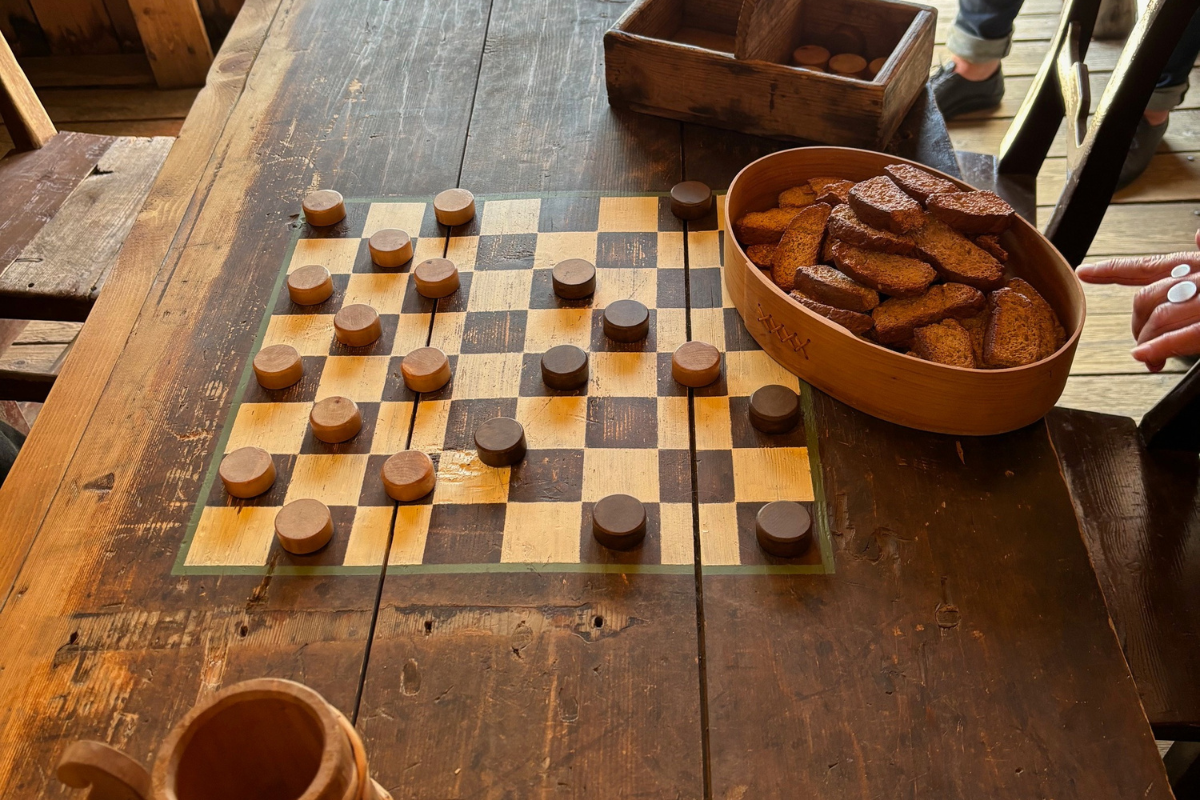
The Turku Museum Center team also wanted to introduce more tactile methods that engaged their visitors. The museums were already experimenting with 3D printing and using collection items to give a sense of atmosphere.
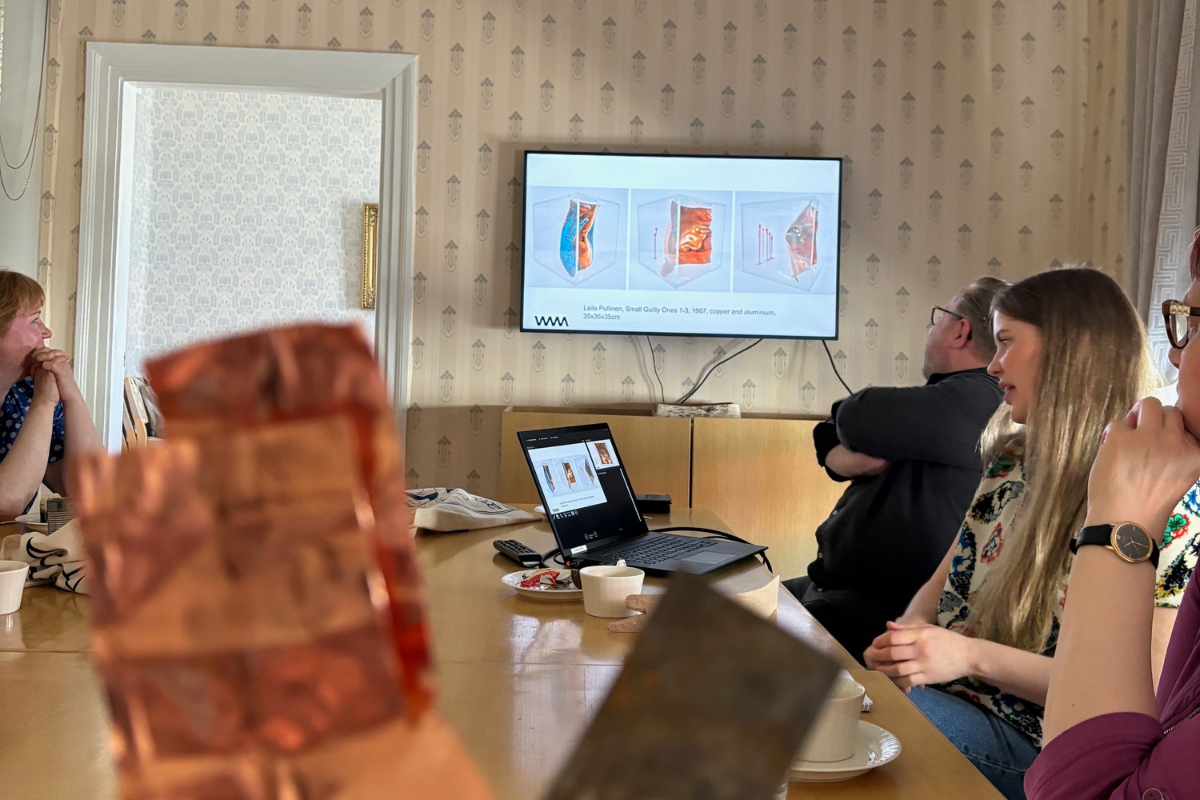
Presentation from WAM (Museum of Modern Art):
To spark brainstorming, the museum educators and curators from the WAM museum organized a tactile presentation for me. They chose different artworks in their collection that they would like to present to visitors and paired each with various materials. This initiated a very productive conversation on how these modes of tactile interpretation could be organized in practice.

Main Takeaways

This experience was extremely insightful, and I learned a lot from the team at the Turku Museum Center. I would like to share the following takeaways:

Firstly – as can be seen above – many museums are already successfully and efficiently applying methods of multisensory storytelling. This begs the question: are museums indeed occularcentric places or have we just not identified the plethora of museums like the Turku Museum who are already experimenting with sensory engagement?

Secondly, museum professionals want practical and easy methods of using multisensory storytelling that they can apply quickly. The quick and easy methods of olfactory storytelling applied above echo this point. However, these methods still require a bit of TLC. I found that the museum practitioners lacked information about the management of olfactory materials, such as how often to clean and replenish scented vessels. It may seem like a small detail, but it can greatly affect visitor experience.

And lastly, not all museums are made the same. This may seem obvious but it was a key insight for me, as it emphasized that challenges of multisensory storytelling can vary by the museum that is applying it. Some museums have collections they want to protect behind glass, while others have their collections displayed outside in all weather. Some museums have a team of two people, while others have a team of hundreds. The capacity of a museum can greatly affect the scope of the multisensory event.

A special thanks to Susanna Hujala, Maria Huokkola and Eveliina Tammi for the invitation and to the rest of the Turku Museum Center team for being such gracious hosts.

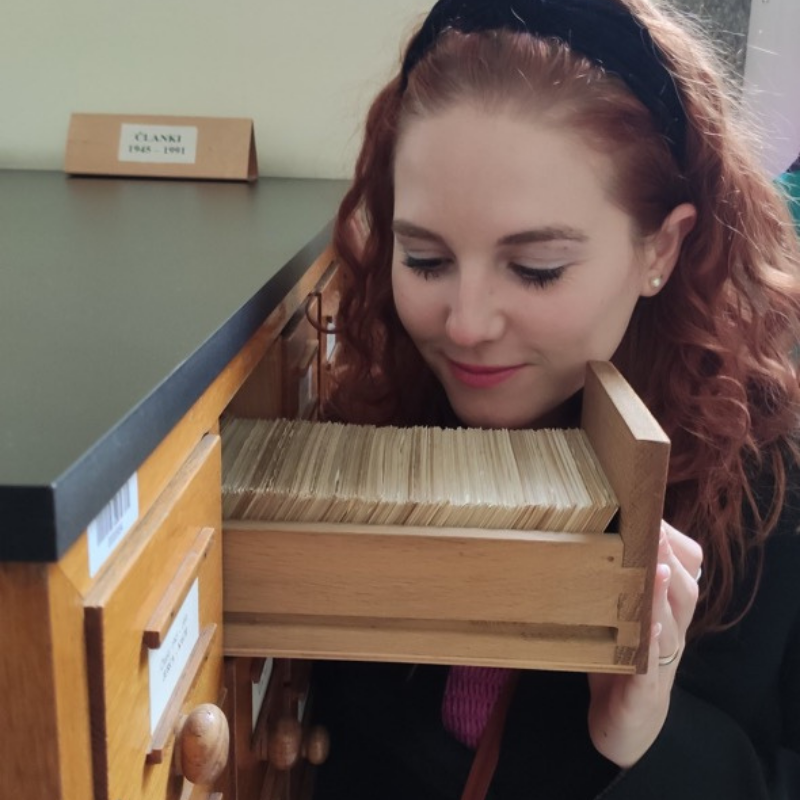
Written by Sofia Collette Ehrich

Sofia Collette Ehrich is an art historian, olfactory museologist, researcher, and podcast host. She is the founder of the Olfactory Contractor, a company that coaches and consults museum practitioners and others on the educational impact sensory storytelling has on the public.
Newsletter #5

Newsletter #5

Hello and Welcome, If you are new here—thank you for joining The Olfactory Contractor. I am so glad you have joined this growing community of museum professionals, educators, artists, and researchers interested in scent, storytelling, and a multisensory approach to...

read more

A Conversation with Brian Goeltzenleuchter

In a recent episode of the Internet of Senses Institute Podcast, I had the pleasure of speaking with Brian Goeltzenleuchter, an interdisciplinary artist working at the intersection of olfactory art, social engagement, and image making. Goeltzenleuchter is widely...

read more
On Air with BBC World Service Radio

On Air with BBC World Service Radio

I recently had the pleasure of being featured on the Weekend program on the BBC World Service, where I spoke about the growing field of olfactory heritage and how scent can be used as a meaningful tool for interpretation in museums. During the interview, I discussed...

read more