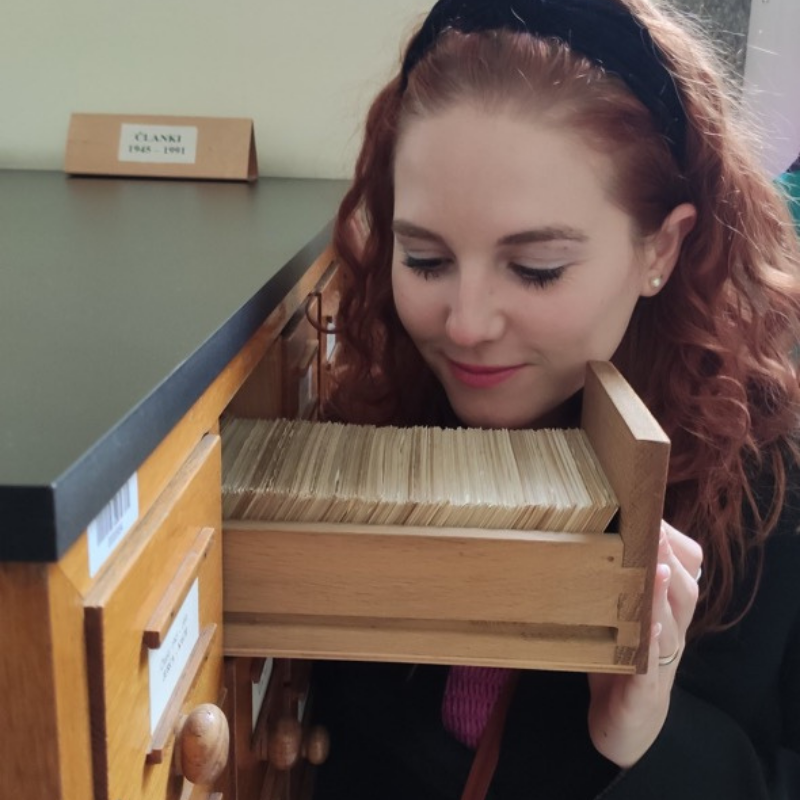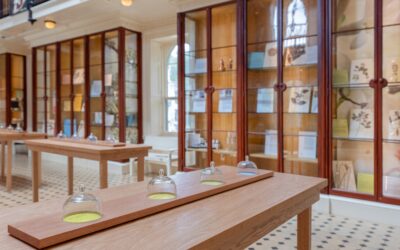
A Multisensory Past: What is Olfactory Heritage?
The Olfactory Contractor is both an educational platform and a resource for museums and cultural institutions seeking consulting support for olfactory storytelling. In this blog series, we explore key concepts and practices in the growing field of olfactory museology—helping to clarify terms, techniques, and ideas that may be unfamiliar. Drawing on five years of independent and collaborative research, this first post introduces Olfactory Heritage, how it was established and why it matters.
Defining Olfactory Heritage
Olfactory Heritage refers to the smells, practices, and any olfactory knowledge culturally meaningful to communities—past and present. It is rooted in the understanding that the sense of smell (scientifically known as olfaction) is not just a physical act, but a cultural experience that shapes our identity, memory, place, and how we live everyday life.
What we define as “heritage” varies by community, but many of us would agree that forms of visual art (paintings, sculptures, artifacts) are heritage and should be conserved and preserved as such – perhaps this safeguarding happens by a heritage institution (museum, gallery etc.). Olfactory heritage emerges from the idea that smells and their related forms are a key part of cultural heritage and therefore deserve to be researched, documented, and safeguarded. This is challenging, as many of us are not aware of or used to heavily interacting with our sense of smell especially in the context of heritage. As such, studying olfactory heritage directly confronts and brings forward a long-standing sensory bias within museums and heritage practice: that visual experience should be the primary way we engage with the past.
In 2017, heritage scholars Cecilia Bembibre and Matija Strlič published the first comprehensive work examining the relationship between olfaction and heritage, proposing that historic smells should be approached through structured methods for identification, analysis, and archiving—and critically examining what this shift means for museum and conservation practice.
They also emphasized that while visitors can greatly benefit from engaging with smells in heritage contexts, curatorial, technical, and conservation challenges remain significant barriers to the wider adoption of olfactory heritage methods in museums. Luckily, Olfactory Museology has become established more broadly and olfactory heritage has matured into a recognized interdisciplinary field.
Olfactory Heritage Practice
Olfactory heritage encompasses several dimensions in practice.
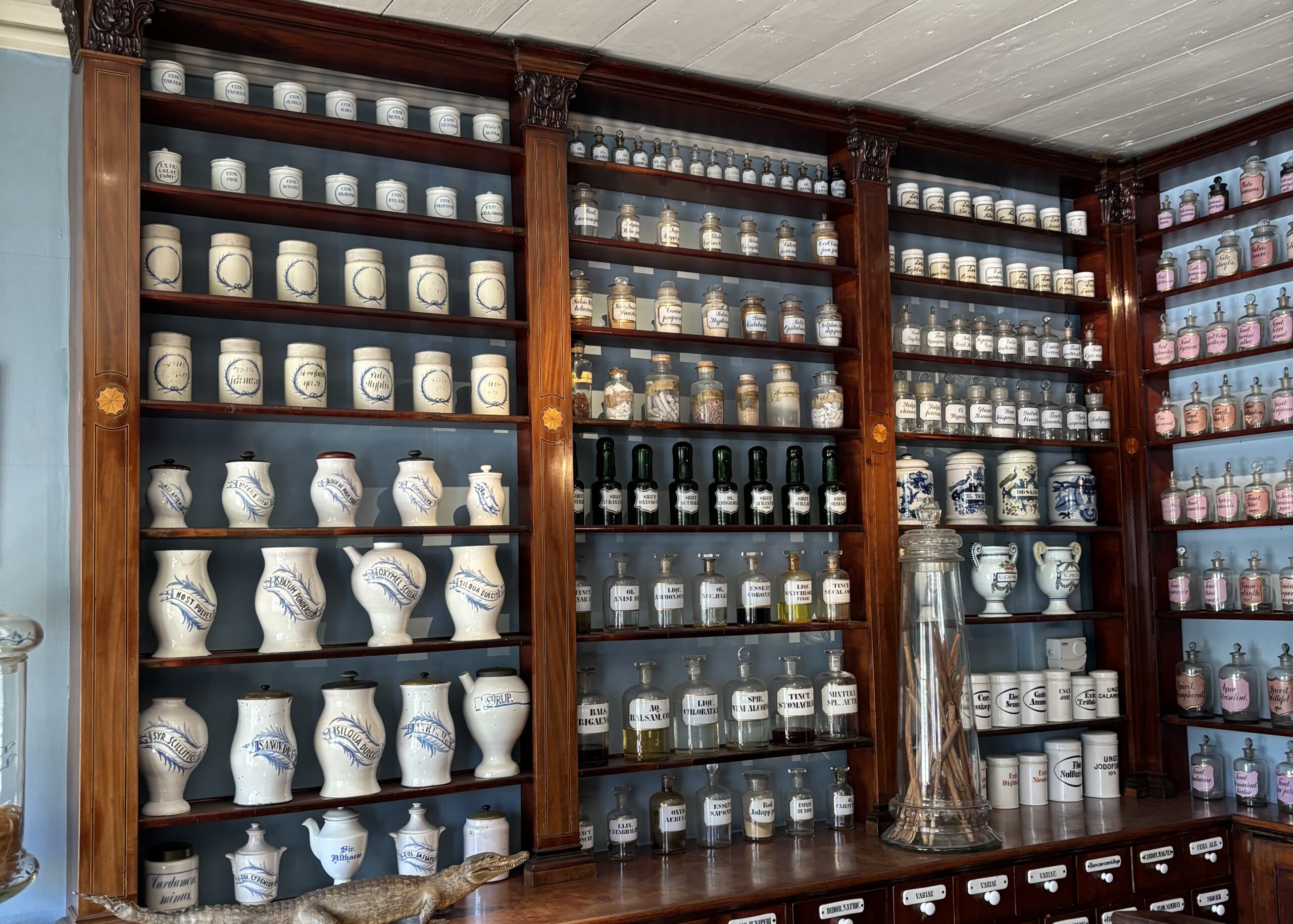
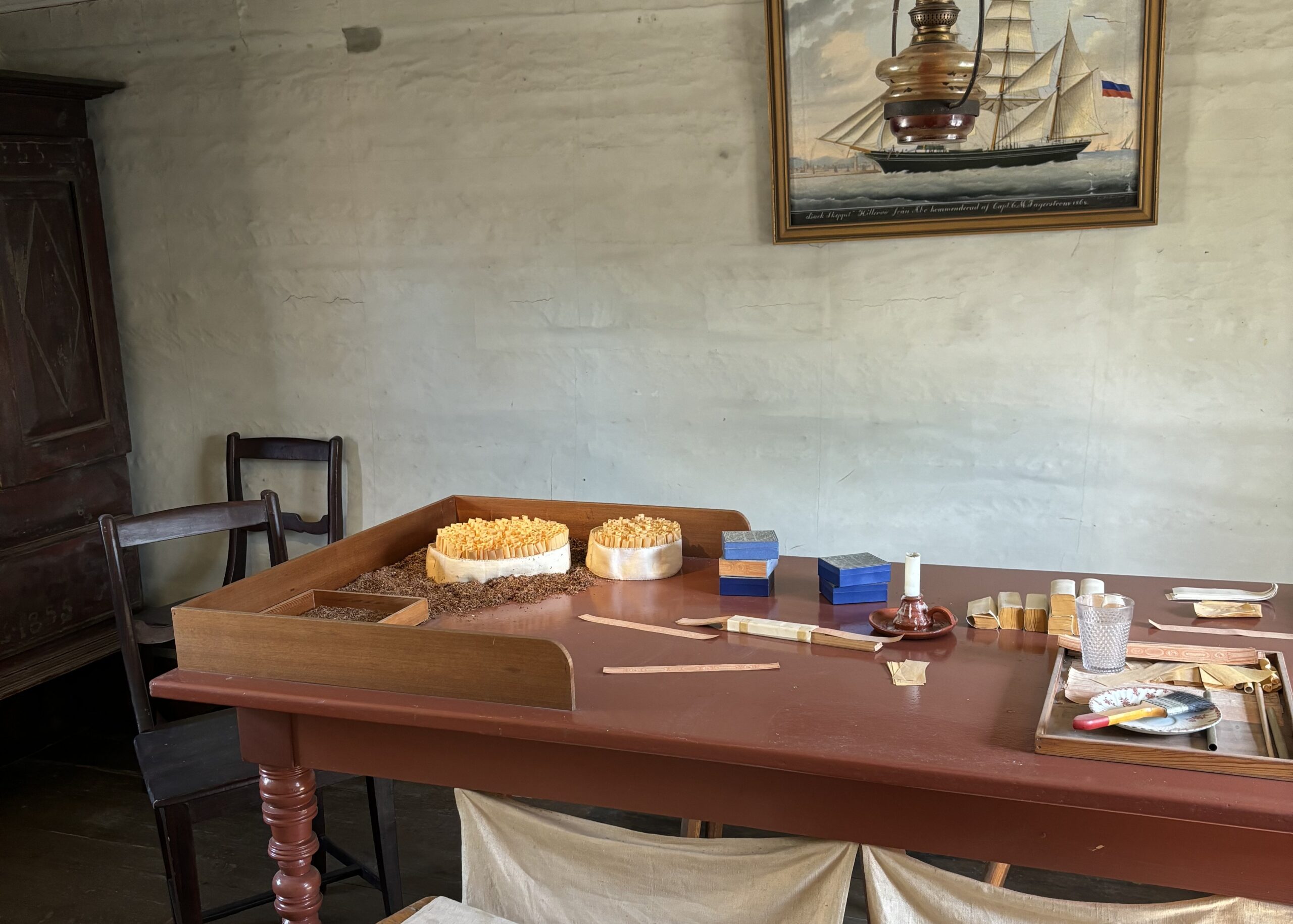
It includes the characteristic smells of places and environments, such as markets, neighborhoods, harbors, gardens, or industrial and craft spaces. It also includes the smells of materials and objects—leather, paper, wood, plants, spices, textiles, medicines, and historic products such as perfumes and soaps.
Equally important is professional and craft-based olfactory knowledge. Many cultural practices rely on trained sensory expertise, including perfumery, wine making, coffee roasting, brewing beer, horticulture, conservation, and culinary work. The ability to recognize, evaluate, and interpret smells is a form of embodied and often undocumented heritage knowledge.
Finally, olfactory heritage includes social and ritual practices, such as the use of incense, scented waters, domestic cleaning traditions, and ceremonial or festive uses of fragrance.
Together, these elements show that olfactory heritage is not a niche category of objects, but a broad framework for understanding how smell operates within cultural life.
Olfactory Heritage vs. Olfactory Museology
It is important to note that olfactory museology is part of olfactory heritage.
Olfactory heritage provides the conceptual and methodological foundation for identifying, researching, and safeguarding culturally meaningful smells and scent practices. Olfactory museology, in turn, focuses on how this knowledge is translated or interpreted into exhibitions, public programing, an experiences within museums and cultural institutions.
In other terms:
- Olfactory heritage asks which smells are culturally significant, how they can be documented, and why they matter;
- While olfactory museology asks how those smells can be meaningfully interpreted, designed, and communicated to the public for educational purposes.
Olfactory Heritage is a Growing Field
Since the early work of Bembibre and Strlič, and through initiatives such as Odeuropa, olfactory heritage has developed into an internationally recognized field of research and practice. We have concrete tools, shared definitions, and methodological frameworks for working with smell in heritage contexts.
It has also turned out to be quite interdisciplinary, bringing together historians, heritage scientists, chemists, archaeologists, anthropologists, museum practitioners, artists, and digital humanities researchers. This cross disciplinary exchange is central to the field, because understanding smell as heritage requires both scientific knowledge and cultural interpretation.
Why Olfactory Heritage Matters Now
Olfactory heritage reminds us that culture is not only something we view or read—it is something we feel, practice, and experience through all our senses. By recognizing smells and olfactory knowledge as heritage, we expand on what counts as cultural evidence and what experiences are preserved.
Olfactory museology builds directly on this foundation, transforming olfactory heritage research into meaningful and embodied public programming. Together, these fields support a more inclusive, multisensory, and real-life approach to understanding and sharing our multisensory past.
Drawing on years of research, practical experience, and collaborations with institutions in the U.S. and Europe, I work with museums to integrate scent thoughtfully and effectively into exhibitions, programs, and public experiences. From developing historically accurate scents to designing olfactory storytelling strategies and advising on visitor engagement and accessibility, my goal is to help cultural institutions create meaningful, multisensory connections that leave a lasting impression. Check out my services here and do not hesitate to reach out for an introductory call via my contact page.
Interested in learning more? Make sure to check out my blog post on Recommended Smell Culture Resources to dive deeper into the world of olfactory museology and become familiar with more trailblazers of the field.
I regularly teach courses about Olfactory Storytelling and Olfactory Museology with the Fragrance Alliance Network. Make sure to stay up to date with when I am teaching next or where my projects will be exhibited by joining my mailing list here.