
Selected Work

A selection of projects exploring how scent can support interpretation, engagement, and cultural understanding across museums, cultural institutions, and heritage organizations.
Case Studies
A selection of projects that demonstrate how scent can support interpretation, engagement, and cultural understanding across museums, cultural institutions, and heritage organizations.
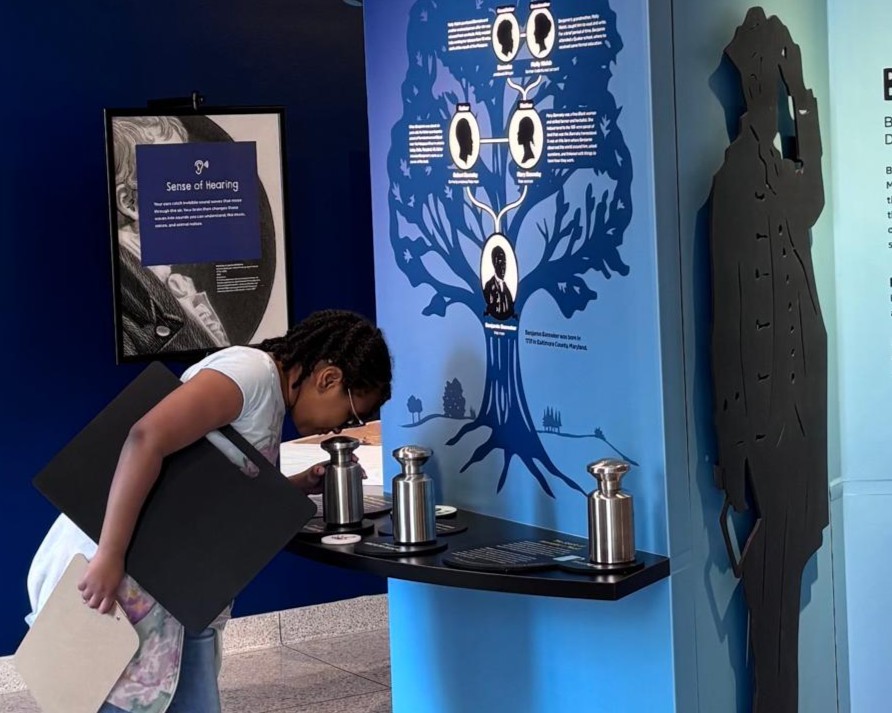
WayFinders: Making Sense of Our World
Maryland Center for History and Culture
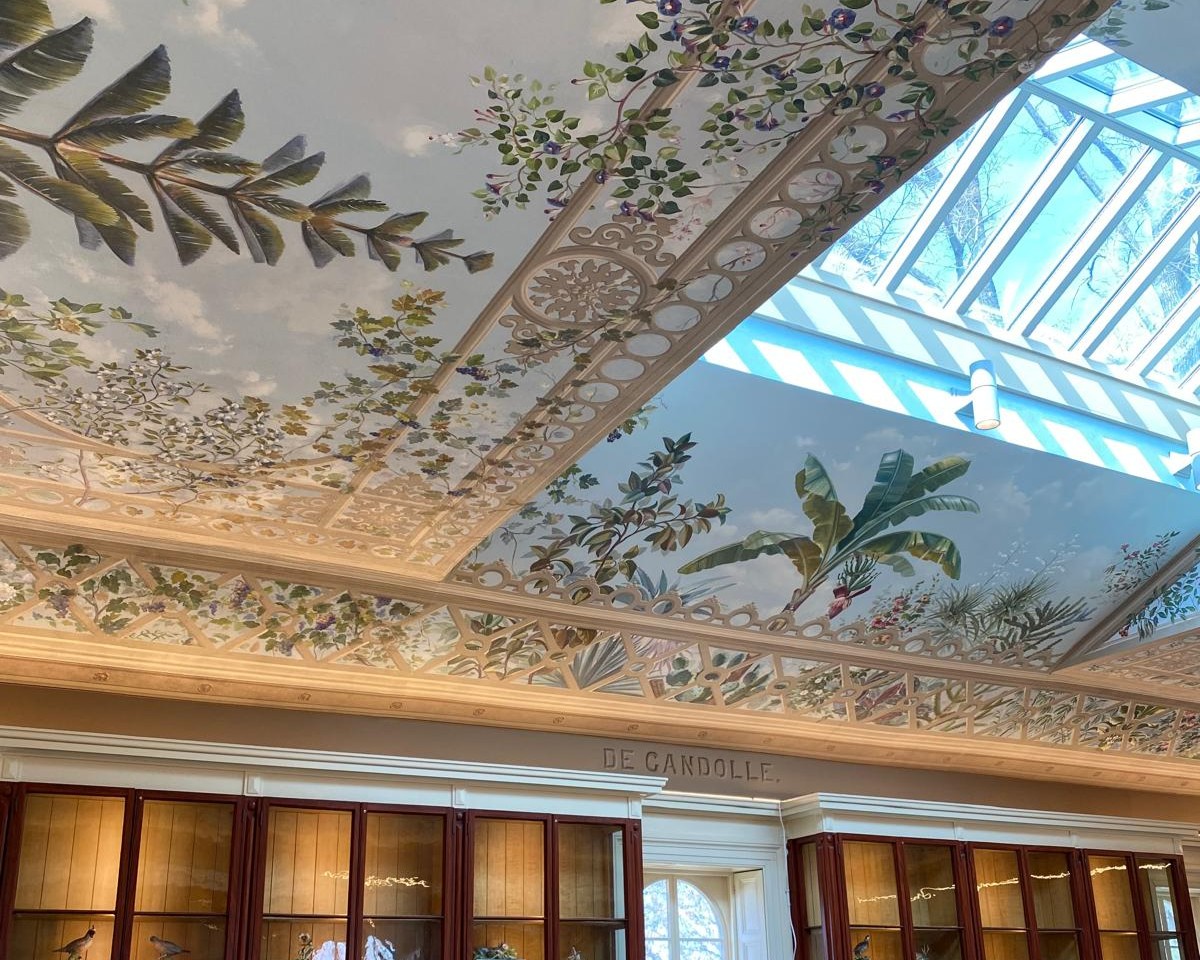
Uncovering the Fragrant in the Sachs Museum Mural
Stephen and Peter Sachs Museum, Missouri Botanical Garden
WayFinders: Making Sense of Our World
The Approach
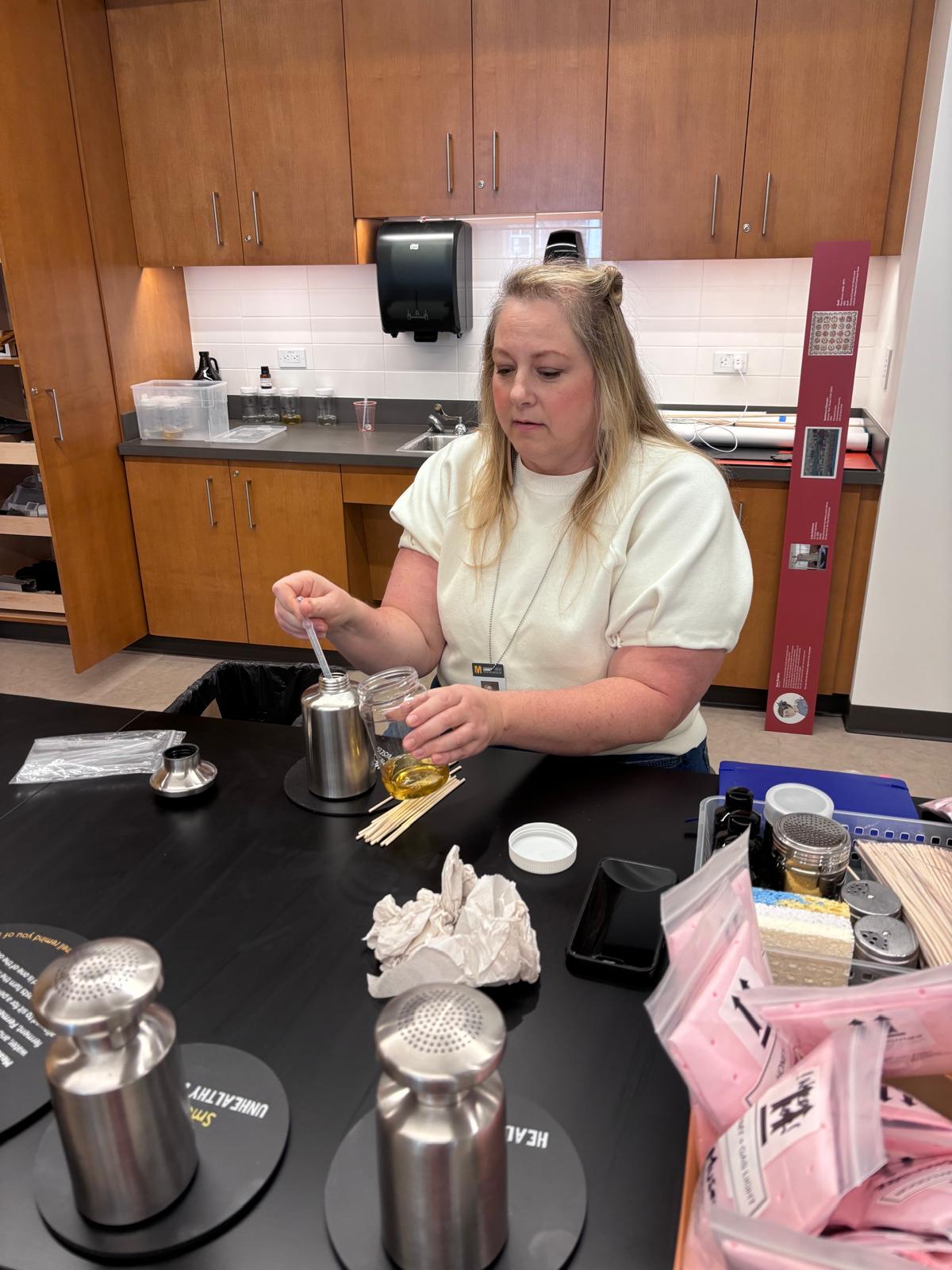
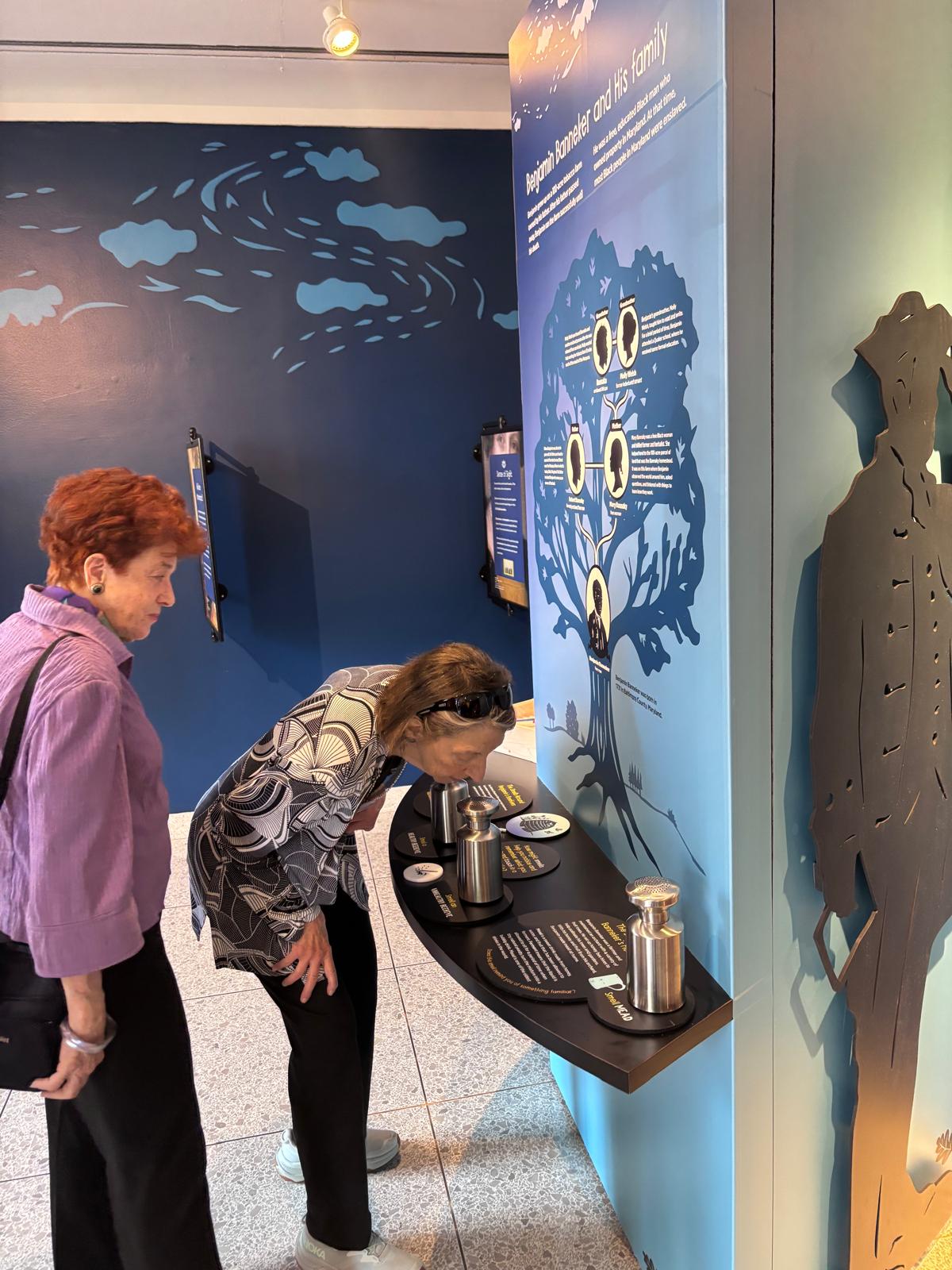
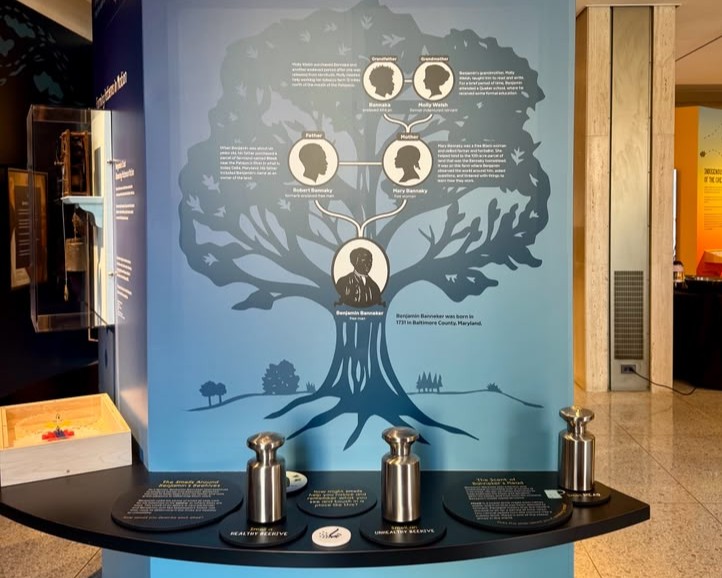
Working closely with the museum team, designers, and fragrance partners, The Olfactory Contractor developed the exhibition's olfactory interpretation strategy, translating key themes and stories into multisensory experiences. From scent concept development and distribution planning to visitor experience considerations, the goal was to create moments that encouraged curiosity, discovery, and deeper engagement.
The Result
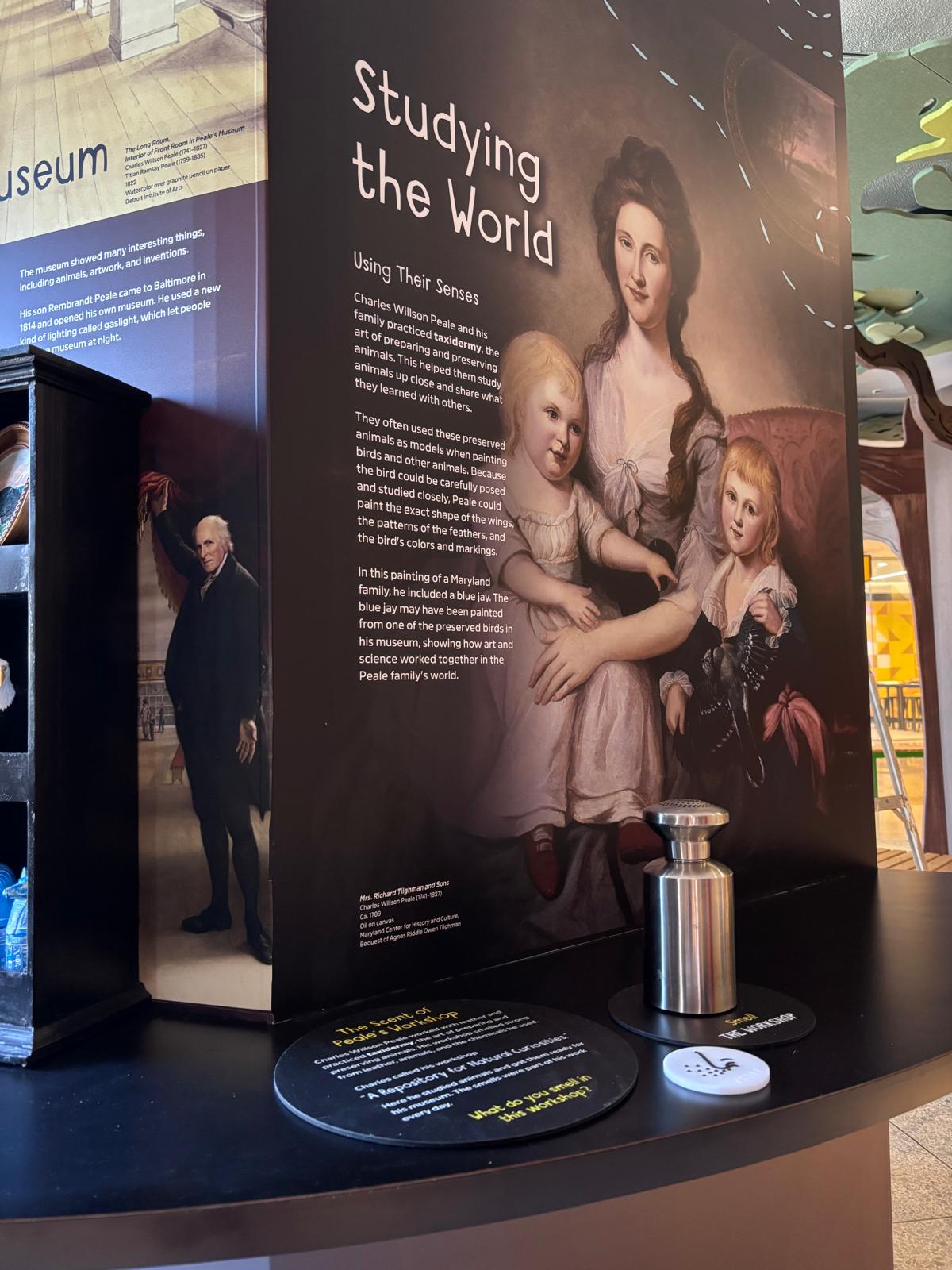
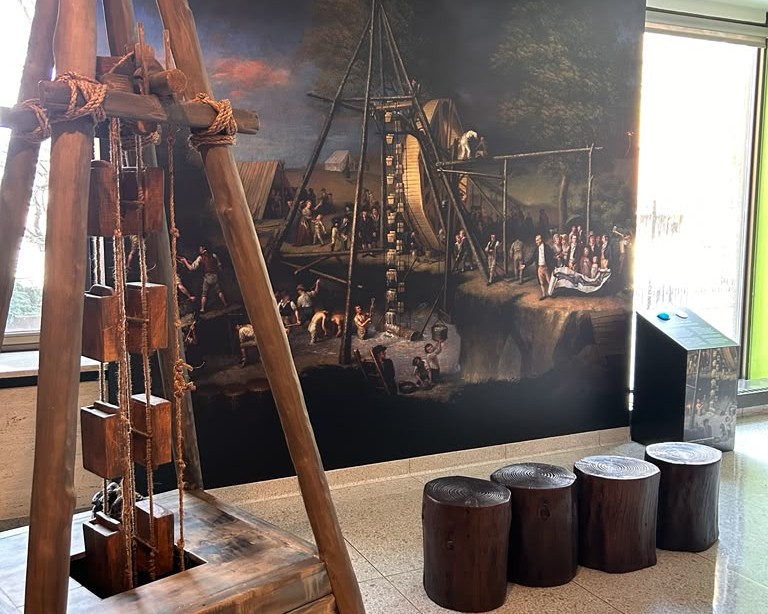
The exhibition features 11 bespoke scents inspired by the people, places, and stories of Maryland history. Opening during the lead-up to America 250, the exhibition highlights themes connected to the founding of the United States and the individuals who helped shape it. Among these is a recreation of Charles Willson Peale's Museum, widely recognized as America's first museum.
A highlight of the olfactory experience is a custom scent inspired by Peale's iconic painting, Exhumation of the Mastodon. Rather than simply illustrating an object within the scene, the fragrance captures the atmosphere of the excavation itself, allowing visitors to engage with the artwork through both sight and smell. Together, the scents create new entry points for learning and interpretation, encouraging curiosity, discovery, and a deeper connection to Maryland's history.
Uncovering the Fragrant in the Sachs
Museum Mural
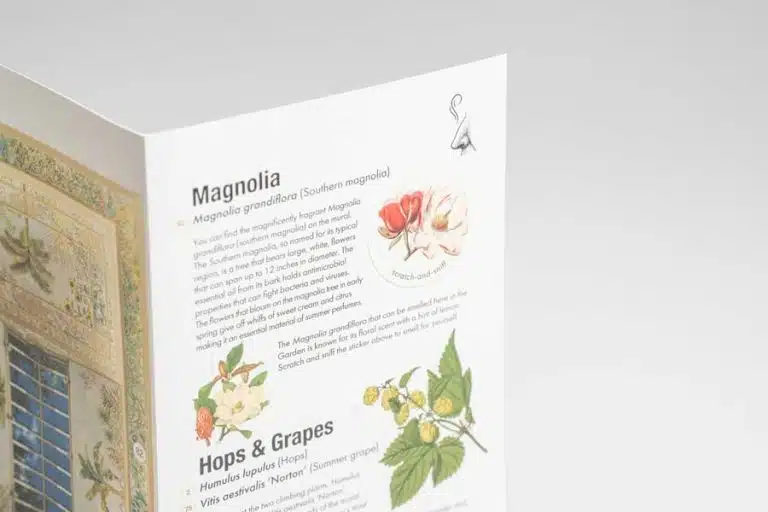
The Approach
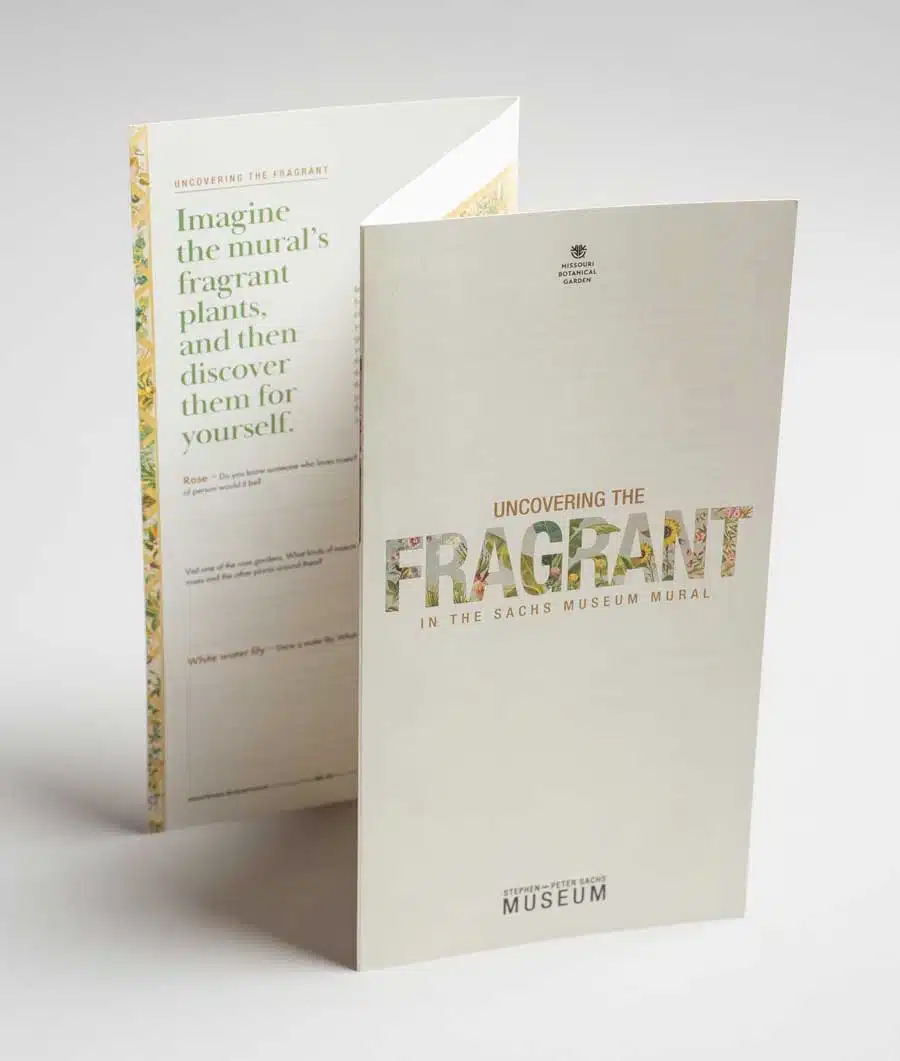
The Olfactory Contractor developed a hands-on, nose-on printed guide that invited visitors to engage with the Stephen and Peter Sachs Museum's historic ceiling mural through scent. Working alongside the museum curator, Nezka Pfeifer, the project identified key plants depicted in the mural and translated them into a guided sensory experience. By combining visual analysis, botanical knowledge, and interpretive storytelling, the project encouraged visitors to look more closely and discover new layers of meaning within the ceiling mural.
The Result
The project invited visitors to engage more closely with one of the museum's most significant yet hard to reach features: its historic ceiling mural. By encouraging a "sensory gaze," the experience drew attention to details that are difficult to observe from a distance and provided new ways of understanding the artwork through scent.
Through a printed scent guide, visitors uncovered botanical stories connected to both the museum and the origins of the Missouri Botanical Garden that might otherwise have gone unnoticed. The guide also encouraged visitors to extend their experience beyond the museum walls by exploring the Garden itself. Linked to the Garden's digital map, it helped visitors locate and encounter many of the same plants depicted in the mural. The initiative demonstrated how olfactory interpretation can deepen engagement with collections, spark curiosity, and create meaningful connections between art, science, and cultural heritage.
Every project begins with a question.
What stories remain untold within your collections? What might visitors discover if they could engage through smell as well as sight?
The Olfactory Contractor works with museums, cultural institutions, researchers, and heritage organizations to develop thoughtful, research-informed approaches to olfactory interpretation.