
Sniff and Listen

by | Nov 24, 2025

Smell and Listen - Stimulating the senses: using smell to engage visitors

It was a pleasure to chat with Claire Bown on her Art Engager Podcast, a podcast dedicated to sharing knowledge about how to engage with art objects and the museum in new ways. Claire has invited so many interesting guests from a variety of museums and backgrounds to talk on her podcast and I was very honored to have the opportunity to participate in episode 130: Stimulating the senses: using smell to engage visitors.

During our interview, I talked about my work on the Odeuropa project and how I started working with scent in the museum. Claire and I spoke about how the intervention of scent in the museum can encourage visitors to “slow down” (in the words of museum educator Marie Clapot) and spend more time in front of artworks. I also shared a few practical tips and tricks for those that would like to use scent in the museum themselves with minimal preparation, knowledge and budget. These are summarized below.

Tips for bringing smell to the museum:

Raise an ‘Olfactory Gaze’: This is a term coined by art historian Caro Verbeek which is the act of analyzing art historical texts and images from an olfactory perspective. This analysis uncovers historical insights which would have remained invisible from a strictly visual perspective. Check out Odeuropa’s ‘Nose-First Art Historical Odour Wheel’ for inspiration.

Use ‘off the shelf’ scents: Don’t know a perfumer or have a limited budget? Many storylines related to scent in the museum can be fulfilled using essential oils, herbs and spices and resins that you can find at a local shop or online. You just have to be strategic with how you place these items, so they do not get tipped over or mishandled.

Start conversations about the senses with your friends, family and colleagues: We are not accustomed to actively using more than our audiovisual senses in most situations. This means we must practice! “Stop and smell the roses” is a bit of a cliche, but it is good advice. When you smell something outside, acknowledge it and talk to those you are with about it.

Smell and Listen to the Podcast:
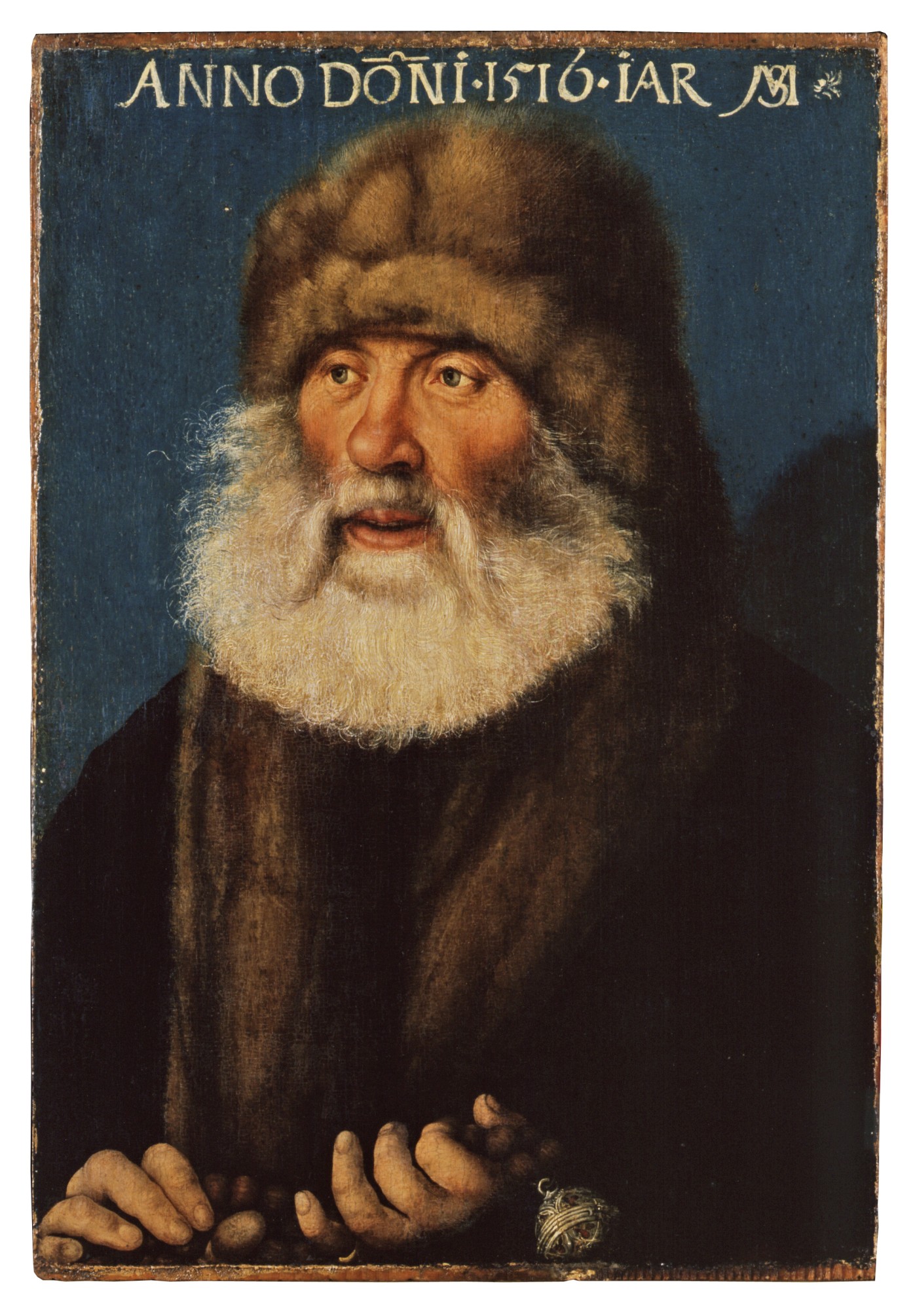
In Claire and I’s conversation (around 18 minutes in), we discuss the event that Odeuropa and the curators at Museum Ulm (Germany) co-created together with IFF. The olfactory event was called Follow Your Nose! a guided tour with smells. For these tours, we developed 11 Heritage Scent Reproductions for 9 artworks and one of those artworks was a painting from the museum’s permanent collection: Martin Schaffner’s Portrait of Eitel Besserer from 1516. When you raise an ‘olfactory gaze,’ while looking at this painting, you can identify a small object spilling from Besserer’s hands, which is a wooden rosary with a silver pomander at the end (see the painting below).
Pomanders were used in the time when the ‘miasma theory’ was popular or when the idea that bad smells led to disease. A pomander filled with fragrant materials could be easily placed in front of the nose for protection from sickness.

The scents for this event were created especially for the event by perfumers, but you yourself can try to emulate the scent of a pomander by grabbing some herbs and spices from your kitchen (AKA Kitchen Cabinet Scents)! Pomanders could hold a great number of scents that you can find rummaging through your kitchen: rosemary, cinnamon, rose, lavender, and clove. I encourage you to listen to my conversation with Claire and while we are discussing the painting, take a sniff of one or more of these spices to gain a new understanding of these “kitchen staples” which you may sometimes underestimate.

Further Reading:

Ehrich, Sofia Collette, et al. “Nose-first. Towards an olfactory gaze for digital art history.” CEUR Workshop Proceedings. Vol. 3064. CEUR Workshop Proceedings, 2021.

Ehrich, S. C., et al. “Olfactory Storytelling Toolkit: A ‘how-to’ Guide for Working with Smells in Museums and Heritage Institutions”. Olfactory Storytelling Toolkit: A ‘how-to’ Guide for Working with Smells in Museums and Heritage Institutions, Odeuropa, 4 Dec. 2023, doi:10.5281/zenodo.10254737.

More information on Stimulating the senses: using smell to engage visitors with Sofia Collette Ehrich

Follow The Art Engager podcast:

https://podcast.artengager.com/listen

Episode 131:

https://podcast.artengager.com/episode/stimulating-the-senses-using-smell-to-engage-visitors

Read the transcript:

https://thinkingmuseum.com/2024/06/12/stimulating-the-senses-using-smell-to-engage-visitors/
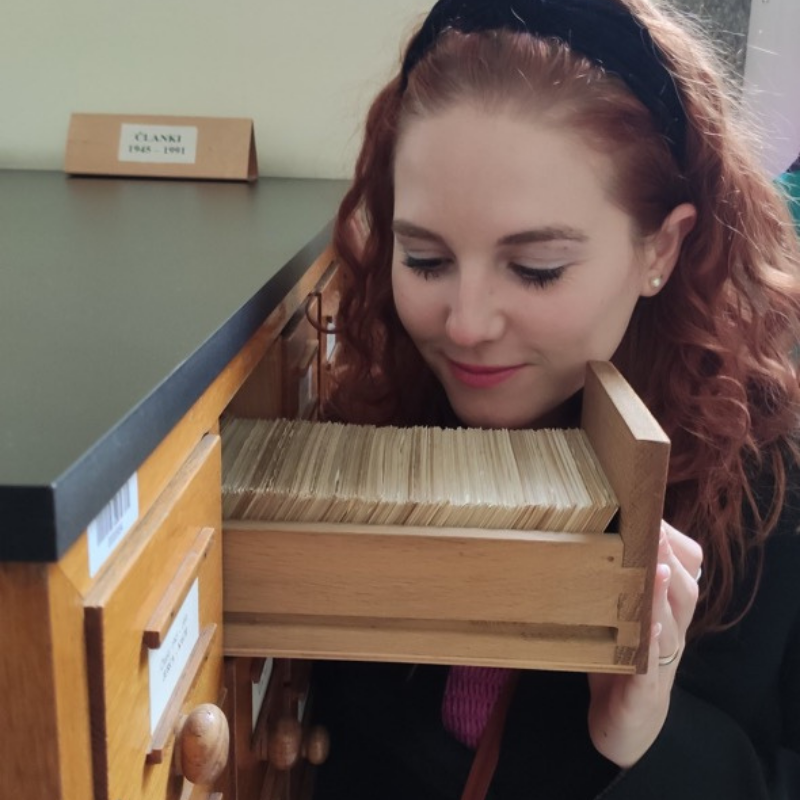
Written by Sofia Collette Ehrich

Sofia Collette Ehrich is an art historian, olfactory museologist, researcher, and podcast host. She is the founder of the Olfactory Contractor, a company that coaches and consults museum practitioners and others on the educational impact sensory storytelling has on the public.
Defining Olfactory Heritage

Defining Olfactory Heritage

The Olfactory Contractor is both an educational platform and a resource for museums and cultural institutions seeking consulting support for olfactory storytelling. In this blog series, we explore key concepts and practices in the growing field of olfactory...

read more
Newsletter #3

Newsletter #3

Hello and Welcome, If you are new here—thank you for joining The Olfactory Contractor. I am so glad you have joined this growing community of museum professionals, educators, artists, and researchers interested in scent, storytelling, and a multisensory approach to...

read more
Notes from the Field #2: Stephen and Peter Sachs Museum

Notes from the Field #2: Stephen and Peter Sachs Museum

As more museums explore multisensory interpretation, scent is emerging as a powerful—yet still untypical—tool for storytelling. In this edition of Notes from the Field: How Museums Use Olfactory Storytelling, we feature the Stephen and Peter Sachs Museum at the...

read more