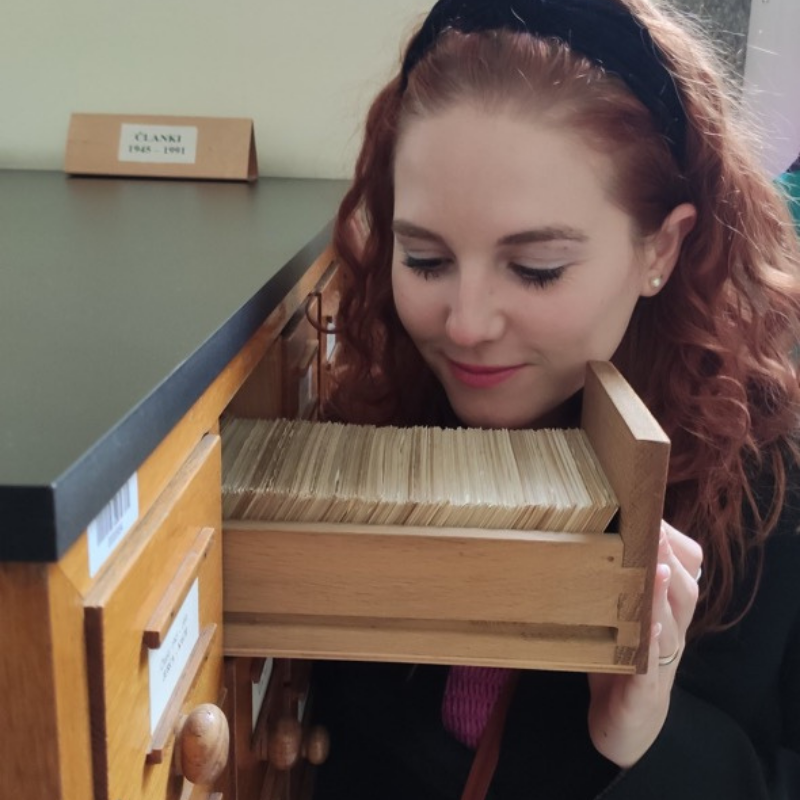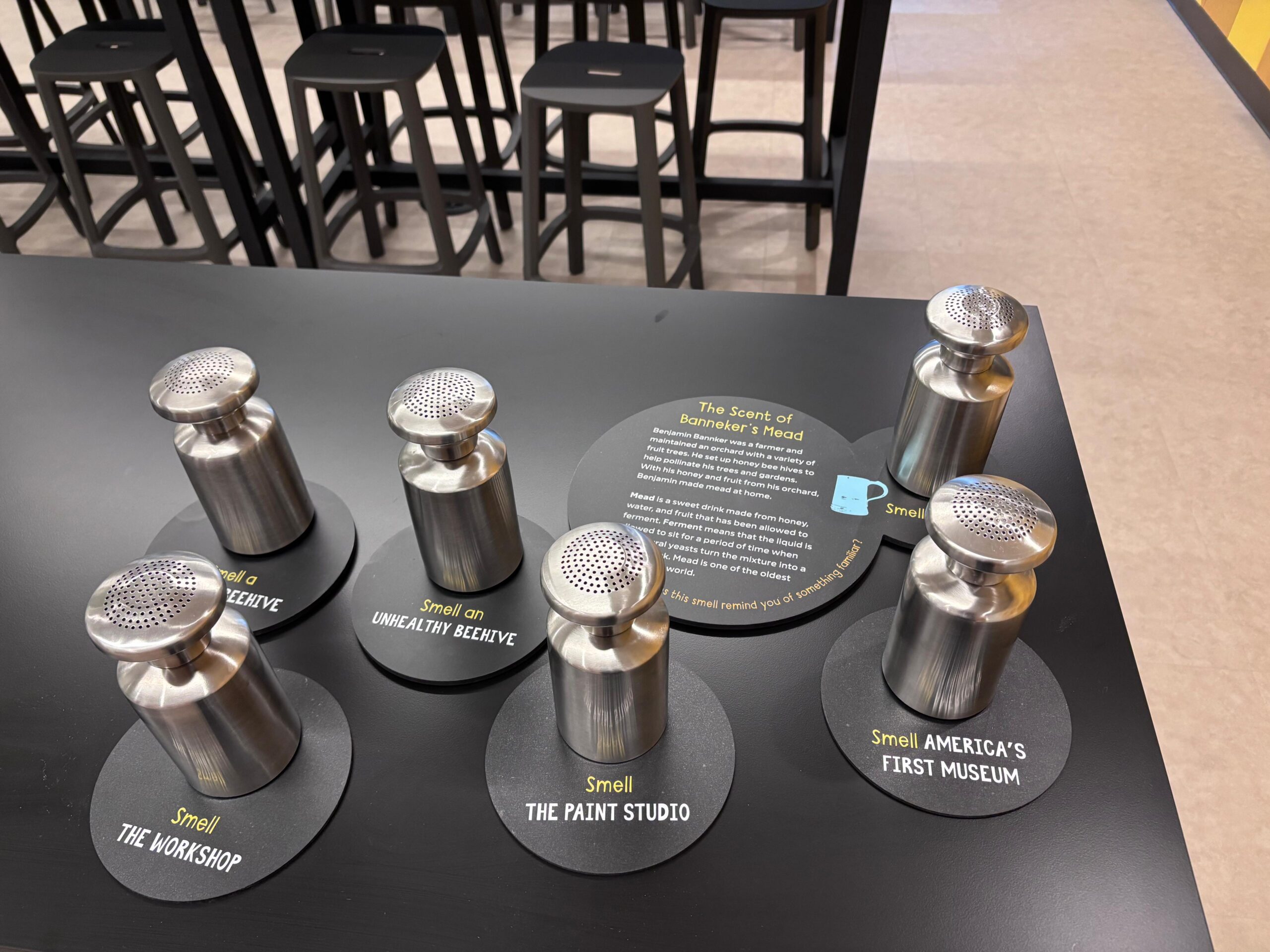
One of the questions I hear most often is:
"What exactly does an olfactory museologist do?"
Many people assume the work begins with creating a scent. In reality, scent creation is often only one part of a much larger process.
An olfactory museologist works at the intersection of research, interpretation, education, and public engagement. Depending on the project, the role might involve researching collections, identifying opportunities for scent within an exhibition, developing scent briefs, collaborating with perfumers, considering accessibility, or designing how visitors will encounter a scent.
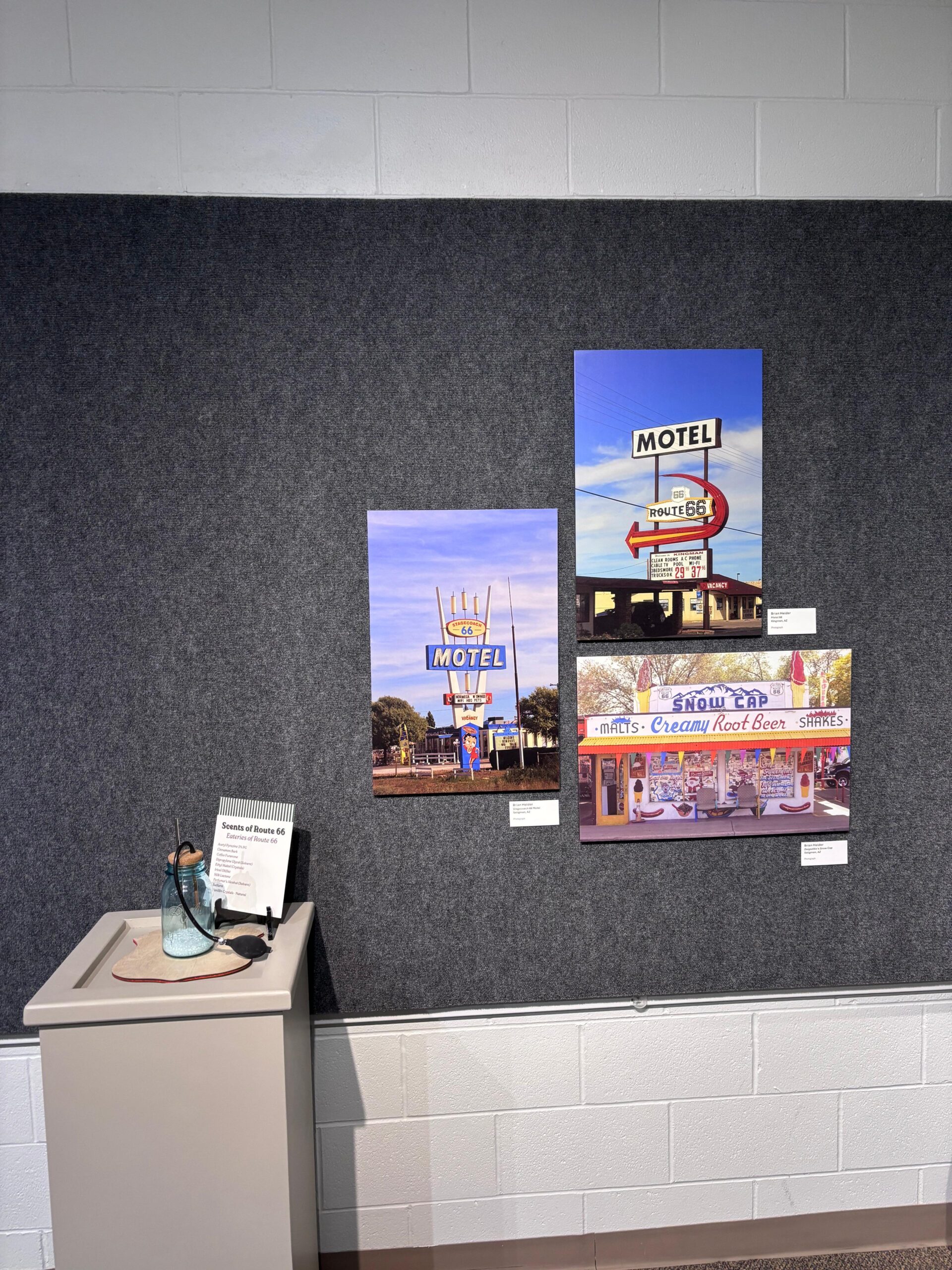
For The Journey is the Destination exhibition at the Hi-Desert Nature Museum in Yucca Valley, I worked with the museum's curator to create themes that connected the collection items that would be in the exhibition with scent. Ultimately, these themes created a cohesive storyline for the scents and the exhibition as a whole.
For example, when developing an olfactory interpretation for a museum exhibition, the process often begins by studying objects, photographs, oral histories, archival materials, and curatorial goals. From there, larger themes begin to emerge. The question is not simply "What should visitors smell?" but "What can scent help visitors understand?"
That distinction matters.
A scent may help illuminate a historical industry, reveal a relationship between people and place, highlight an aspect of daily life, or encourage visitors to think differently about an object, landscape, or cultural practice. Like labels, photographs, and audio, scent can function as a medium of interpretation.
The work is also highly collaborative. Olfactory museologists frequently work alongside curators, historians, educators, designers, conservators, scientists, community members, and perfumers. Every scent is built by many hands, and part of the role is helping those different perspectives come together into a cohesive interpretive experience.
As museums and cultural institutions continue exploring the potential of scent, building the field requires greater awareness of the expertise, methods, and decision-making that support meaningful olfactory interpretation.
The work begins long before anyone smells anything.
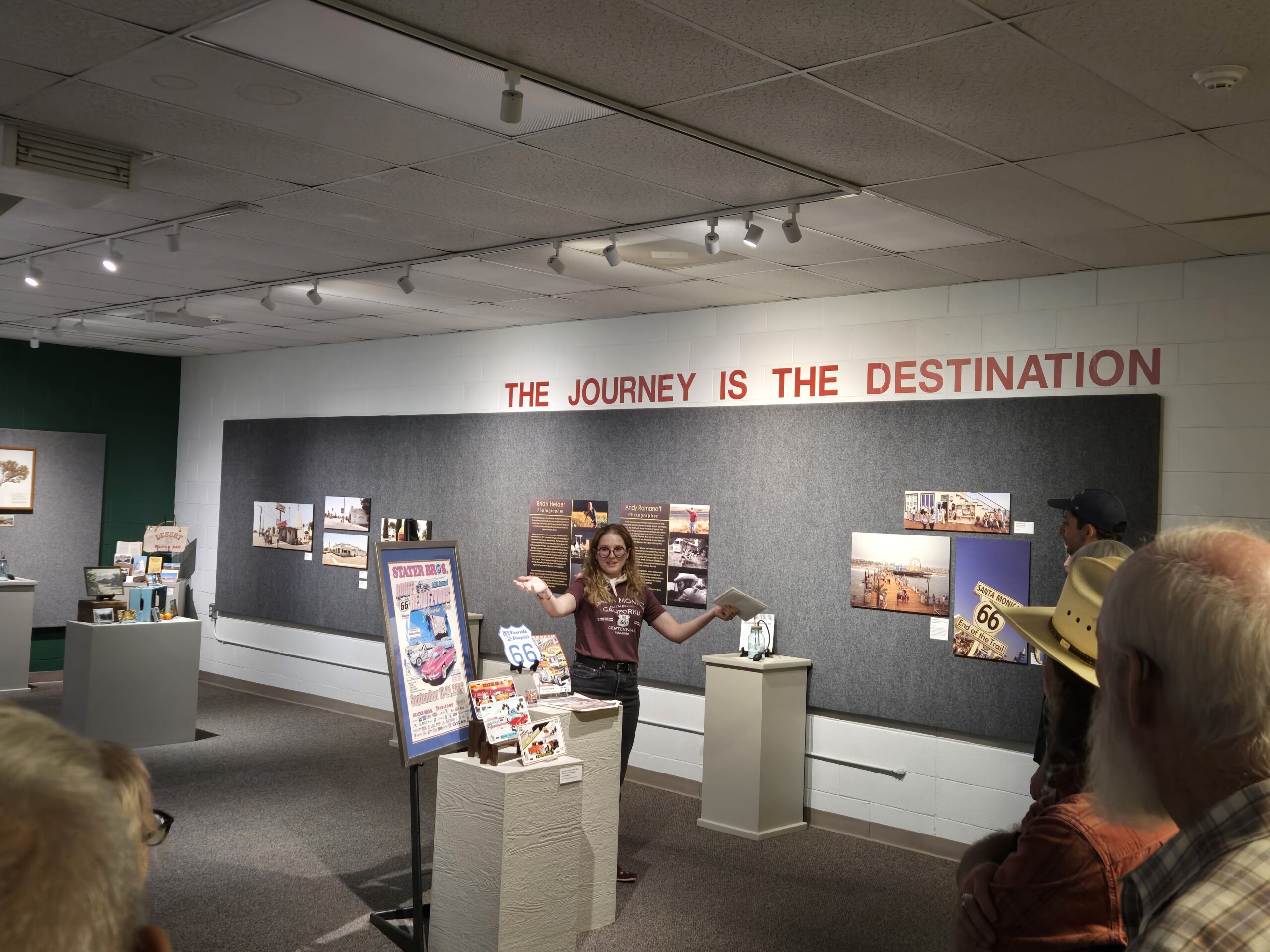
For The Journey is the Destination exhibition at the Hi-Desert Nature Museum in Yucca Valley, I worked with the museum's curator and director as well as perfumer Alie Kiral of Pearfat Parfum to create six scent that interpret Route 66.
Do you want to learn to become an olfactory museologist? People bring experiences from museums, heritage, history, education, sensory studies, fragrance, design, and many other fields.
My online Scent as Interpretation courses with the Fragrance Alliance Network provide accessible starting points for exploring the profession. Through research, case studies, and practical frameworks, participants learn how scent can support interpretation, education, and public understanding.
Whether you are beginning with the one-hour introduction or joining the longer foundation course, no prior experience is required.
Find the right course for you: https://linktr.ee/olfactorycontractor