Nosetalgia: On Scent, Memory, and the Smells We Do Not Want to Lose
Smell places you inside a memory. A single whiff and suddenly you are somewhere else entirely: a place, a person, a moment that you may have forgotten. This is what makes olfaction unlike any other sense. And it is why the concept of “nosetalgia” is so important.
Where the Term Comes From
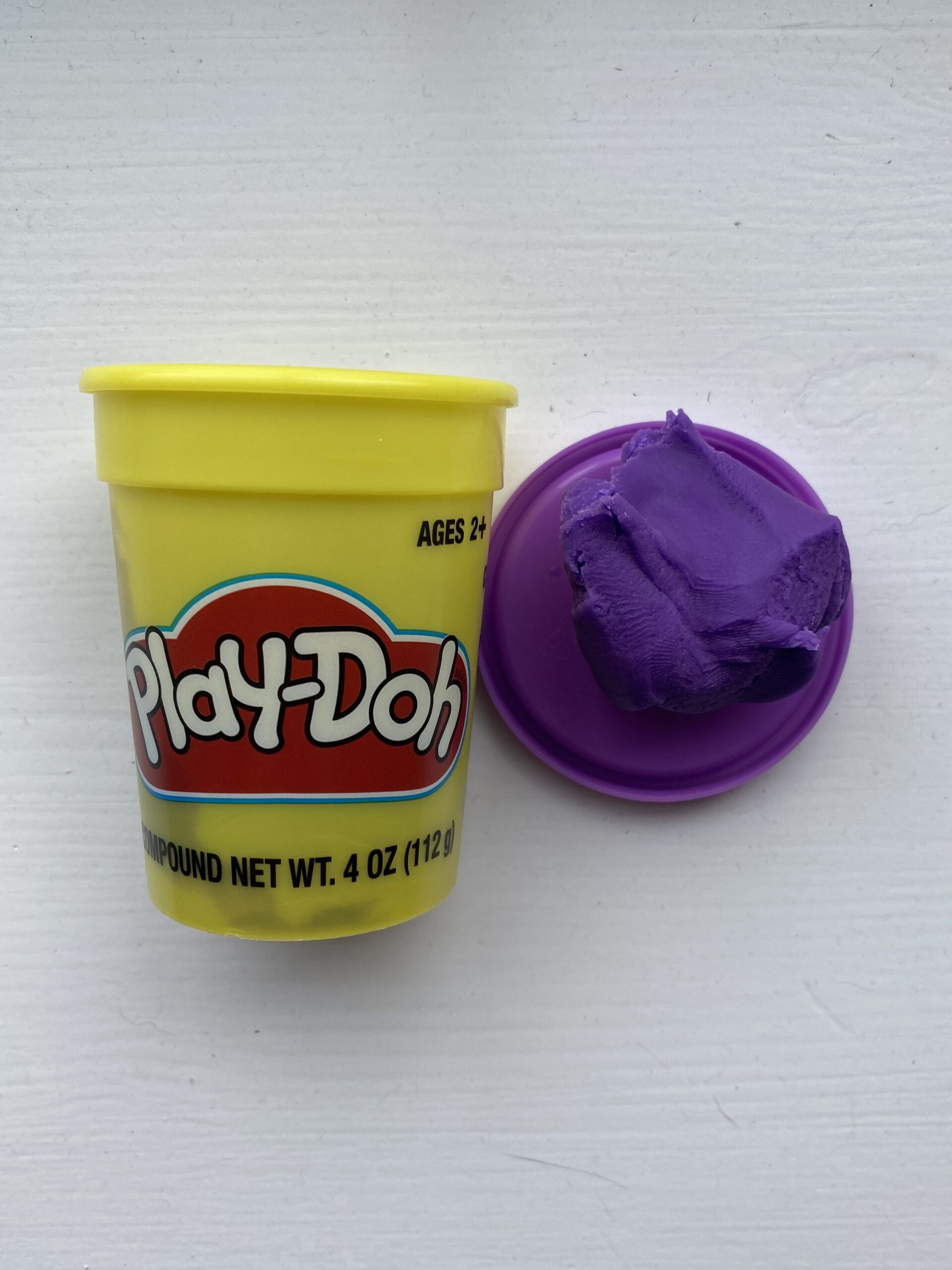
“Nosetalgia” was coined by art historian and smell researcher Caro Verbeek through her curation of a wonderfully specific pop-up exhibition: Nosetalgia: The Temporary Museum of Smelly Toys. Verbeek collected smelly toys owned by various individuals and presented them alongside the memories their past owners had shared. One owner of Hasbro’s Play-doh shared: “It smelled so nice, I wanted to eat it.” I think most of us know exactly what they mean.
Nostalgia - not nosetalgia - is defined as a wistful desire to return to a former time in one's life, to one's home or homeland, or to one's family and friends. Commonly thought of as the emulation of an aesthetic, what if you could take a more sensory approach to nostalgic perception. How does the feeling of nostalgia go beyond a visual phenomenon and become multisensory?
The Three Dimensions
We’ve all experienced it. The whiff of something that instantly immerses us in a personal memory but also comes with a melancholy feeling – do we wish we were back there? In that time and place? This whiff really brings us close to that original “in real life” memory, something pretty unique to the abilities of olfaction. This is what we mean with the term Nosetalgia.
We can break the concept of Nosetalgia into three ideas: collecting, sharing, and connecting. And these concepts greatly shape our identity and our everyday experiences.
Collecting is first. We all carry a personal archive of nosetalgic memories. Smells tied to the places, people, and practices that shaped us. Some of these are at risk of disappearing entirely. The fresh, crisp smell of a magazine stand. The surprisingly sweet mustiness of the Berlin U-Bahn. The very particular composition of an American shopping mall. In my case, the mall located in Santa Monica, California where I grew up. There was something about the fragrant food court mixed with the faint sewer smell that came from the recycled water fountain running through the building. Not every nosetalgic smell is pleasant. That does not make it any less worth keeping.
Secondly, we share: we often collect nosetalgia to share – with our families and friends, past and future generations. Sharing our personal nosetalgia can help us reinforce our own identity and relate it to that of others. Or perhaps even learn more about history or the histories of others.
And upon sharing personal accounts of nosetalgia, we can connect. It may be between unlikely concepts, unlikely souls or the creation of a community. Nosetalgia is collective, it establishes compassion and builds new bridges between similar or different cultures. Nosetalgic connections can make us feel warm and fuzzy and perhaps even sentimental.
Nosetalgia in Practice
These three ideas capture how Nosetalgia takes shape in practice.
In 2020, artists Regina Mamou and Lara Salmon of Research for the Bermuda Triangle traveled to Berlin to collect objects from the former German Democratic Republic — KARO cigarettes, Hansa cookies, everyday items from a vanished world. Their project Common Fantasy / Gemeinsame Fantasie transformed these objects into tinctured smells, presented at The Wende Museum in Los Angeles. It connected people who remembered these items from their own past while offering those same scents to new generations who had never encountered them.
As a part of The House of Alijn, The Museum of Daily Life in Ghent, Belgium invites elderly visitors to handle and interact with collection items, including scented objects, as a tool for wellbeing and care. The museum found that these encounters built a community of people who kept returning to share memories with each other.
The Kunstlicht Journal
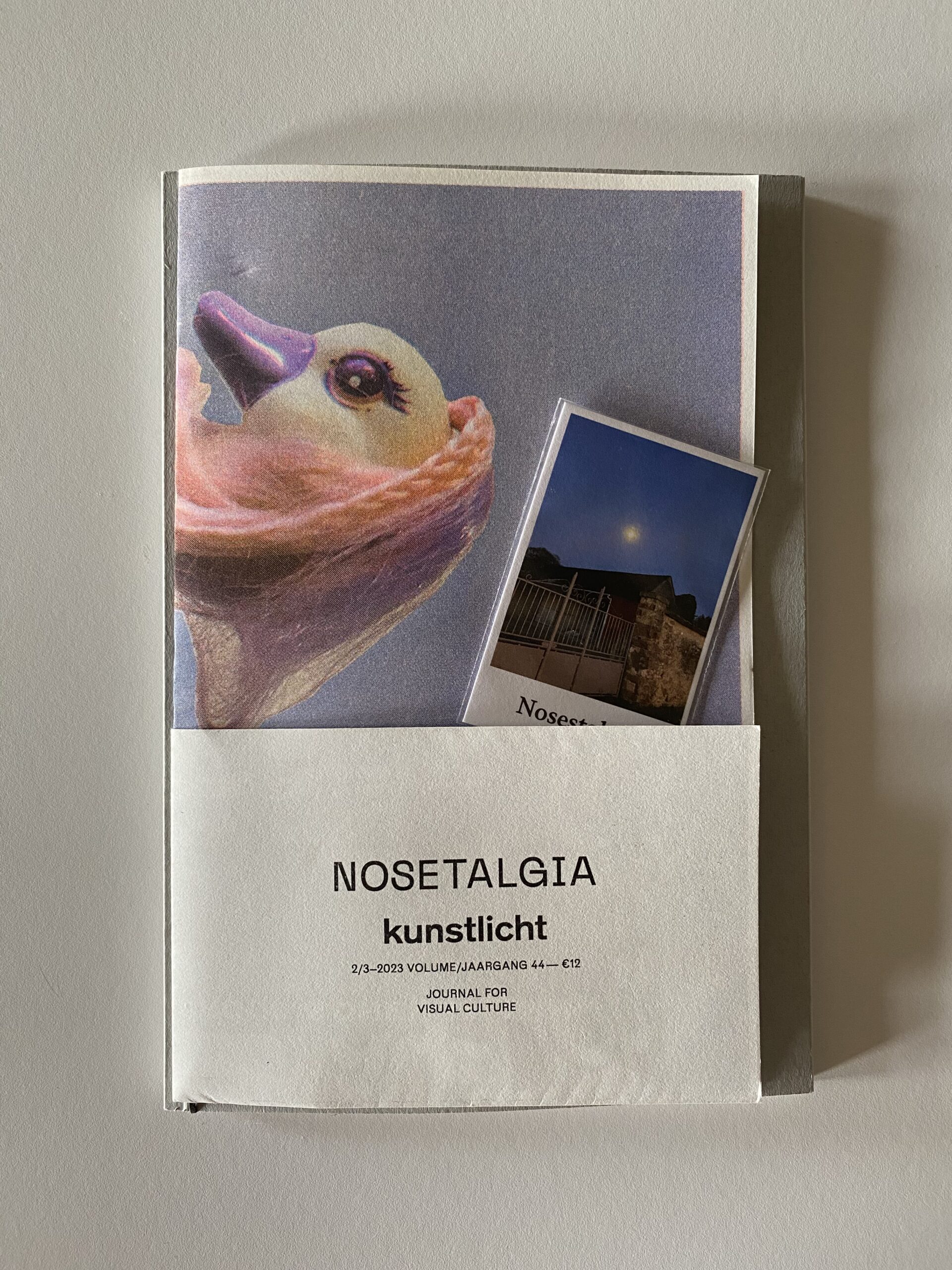
In June 2023, I co-edited an entire issue of Kunstlicht Journal dedicated to this concept, together with Amarens Eggeraat. The result is Nosetalgia, which brought together essays, personal anecdotes, and critical writing exploring how smell, art, and memory interact and overlap. It came with an exclusive smell card: a physical, olfactory companion to the writing inside.
The contributors pushed the conversation far beyond what we had imagined when we started. Is olfaction itself a form of nostalgia? Should we preserve or recreate past scents? What does it mean to document a smell that no longer exists? The journal does not answer all of these questions but it poses them as a critical subject which is exactly the point.
Nosetalgia is still available to purchase, including the smell card here.
In honor of World Taste and Smell Day in September 2023, we hosted a live event with several of the journal's contributors. You can watch the full video below.
Nosetalgia would not have been possible without the incredible work of Kuntlicht’s editor and chief Lisa Marie Sneijder and Nosetalgia’s co-editor Amarens Eggeraat as well as Kunstlicht’s editorial staff. A special thanks to all the contributors to the issue: Lucille Lefrang, Lara Lindsay-Parker, Lo Yuen Ming, Dimitra Trigka, Florence Marceau-Lafleur, Pitchaya Ngamcharoen and Dagmar Büchert. Although it was nearly three years ago that we made this journal, I still hold it very near and dear to my heart. I hope an opportunity like this shows itself again!