What is Olfactory Heritage? A Visual Guide
I have written about olfactory heritage before. What it is, its legacy, and its methodological foundations. But I wanted to try something different this time.
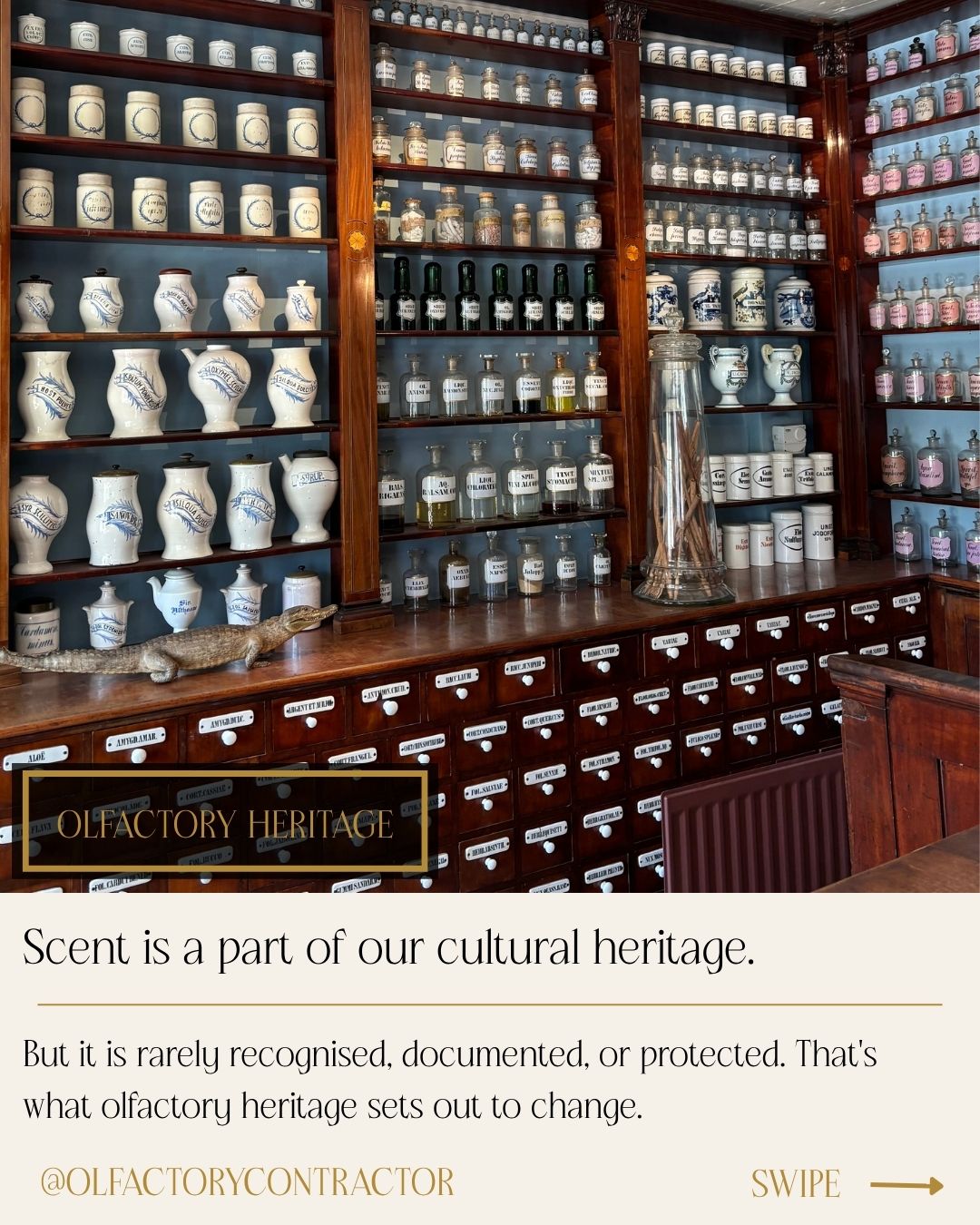
Instead of a long-form explainer, I made an accessible carousel.
I think that the idea lands differently when they are broken into clear, visual steps. And olfactory heritage is a bit abstract making it a concept that sounds intimidating until someone walks you through it.
So that's what this is.
In a Nutshell
Olfactory heritage is the idea that the scents of places, rituals, materials, and community practices are a legitimate and meaningful part of our cultural heritage. Not a novelty or add-on. An actual, documentable, preservable dimension of who we are and our past.
The concept challenges an innate bias: that heritage is primarily something you see. A painting, a sculpture, an artifact behind glass. Olfactory heritage asks what happens when we take the other senses seriously — and what we've been missing by not doing so.
The field has grown significantly over the past decade, shaped by researchers, conservation scientists, historians, and museum practitioners working across disciplines. We now have shared definitions, concrete methodologies, and a growing body of practice to draw from. What we still need is wider awareness — which is partly why I made this carousel.
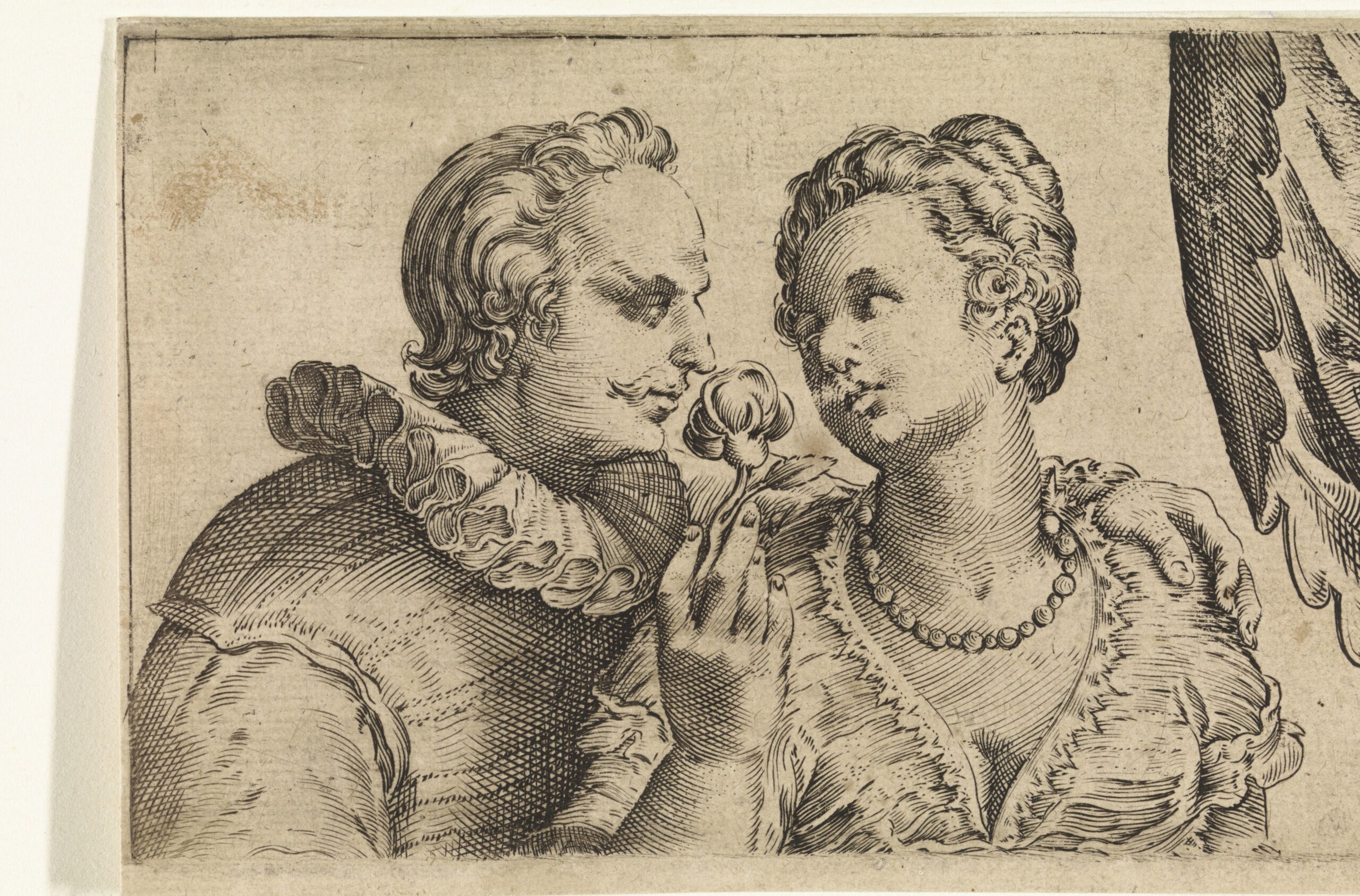
Reuk, Johannes Eillarts, c. 1578 - c. 1678. Rijksmuseum, Amsterdam.
What the Carousel Covers
This carousel walks you through the definition of olfactory heritage, why it matters, what it looks like in practice. From the smell of a historic market to the embodied knowledge of a perfumer. We also make a connection to olfactory museology, the field focused on bringing that research and interpreting for public experience.
That last distinction is one I find myself explaining often. Olfactory heritage and olfactory museology are related but not the same thing. One asks which smells are culturally significant and why. The other asks how those smells can be interpreted and communicated to the public. The work of The Olfactory Contractor sits at the intersection of both.
Check out the Instagram post below and if you find it useful, share it with someone who works in museums, heritage, or cultural education.
If this is your first time here, I write about olfactory museology, sensory heritage, and the practice of integrating scent into cultural interpretation. The full blog post on olfactory heritage with more depth and academic context is also on the site if you want to learn more.